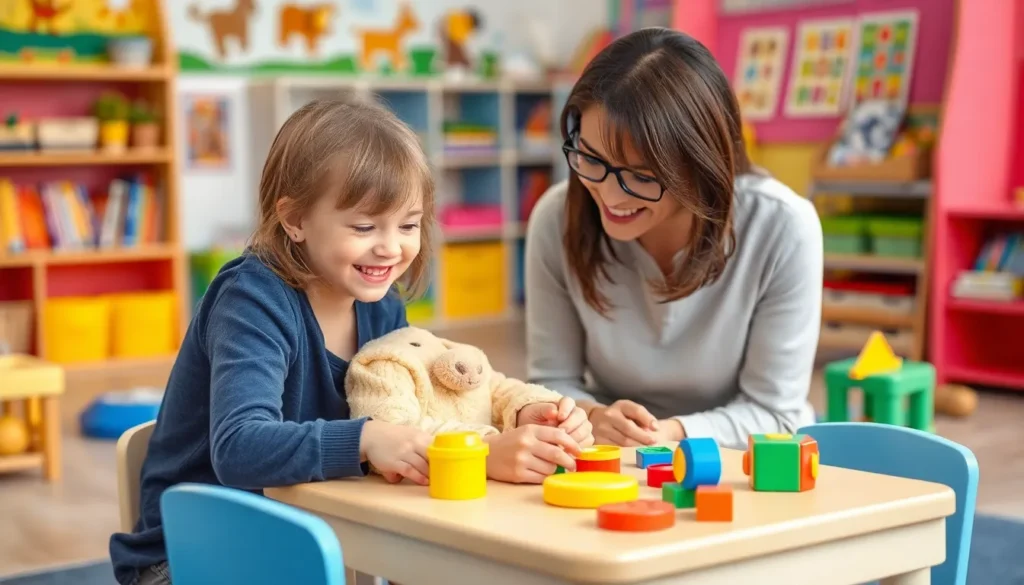
Navigating preschool interviews can feel overwhelming for both parents and children. These interviews serve as a vital step in the enrollment process, helping educators assess a child’s readiness for school. Understanding what to expect can ease anxiety and set the stage for a positive experience.
During these interviews, teachers often evaluate not just academic skills but also social and emotional readiness. Parents play a crucial role in this process, as their insights can provide valuable context about their child’s unique strengths and challenges. By preparing effectively, families can ensure their little ones shine during this important milestone.
Understanding Preschool Interviews
Preschool interviews play a vital role in assessing a child’s readiness for school. They evaluate various aspects, including academic, social, and emotional factors, while also incorporating parental insights.
Purpose of Preschool Interviews
Preschool interviews allow educators to gauge a child’s developmental stage. Educators use these assessments to determine if children possess essential skills needed for classroom success. Evaluations of communication, problem-solving, and social interaction provide a clearer picture of each child’s unique needs. Parents contribute insights about their child’s behaviors and learning preferences, enriching the assessment process and facilitating effective adjustments to teaching methodologies.
Common Formats of Preschool Interviews
Preschool interviews typically appear in several formats, each designed to gather specific information:
- One-on-One Interviews: Individual sessions between an educator and a child promote personal engagement, allowing the educator to observe a child’s responses and interactions.
- Group Assessments: Group settings involving multiple children offer insight into social skills, including cooperation and teamwork. This format highlights how children behave in peer interactions.
- Parent-Child Interviews: These sessions include both the child and a parent, enabling parents to share their observations while the educator assesses the child’s skills in a familiar setting.
- Home Visits: Home-based assessments provide a unique perspective on a child’s behaviors and routines in a comfortable environment. This format allows educators to observe the child’s natural interactions at home.
Each format serves to gather information that informs educators about how to best support each child’s transition into preschool.
Preparing for a Preschool Interview
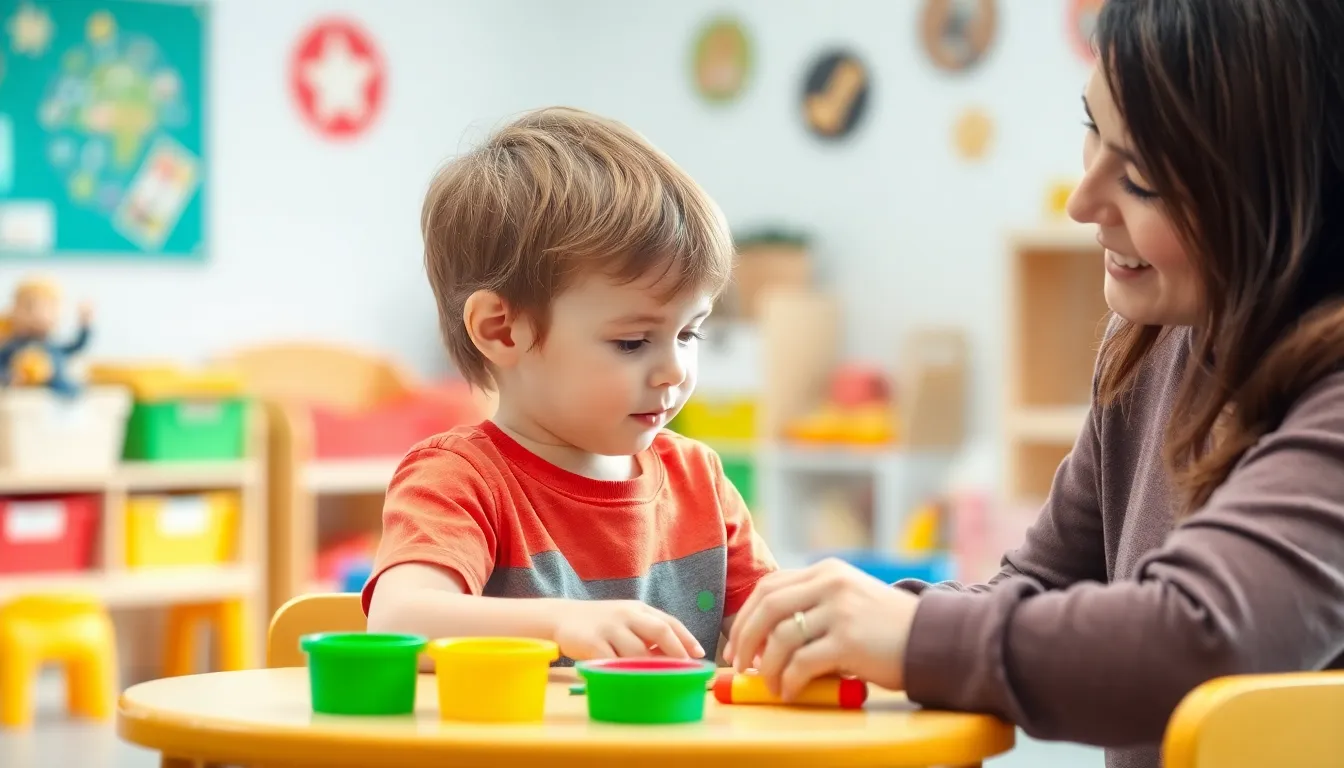
Preparing for a preschool interview involves understanding what the process entails and how parents can participate effectively. Familiarity with the various aspects of the interview can lead to a smoother experience for both children and parents.
What to Expect During the Interview
Expect a welcoming environment where educators focus on assessing a child’s developmental readiness. During the interview, educators may:
- Ask questions about the child’s interests and daily routines.
- Observe interactions between the child and parent to assess comfort levels.
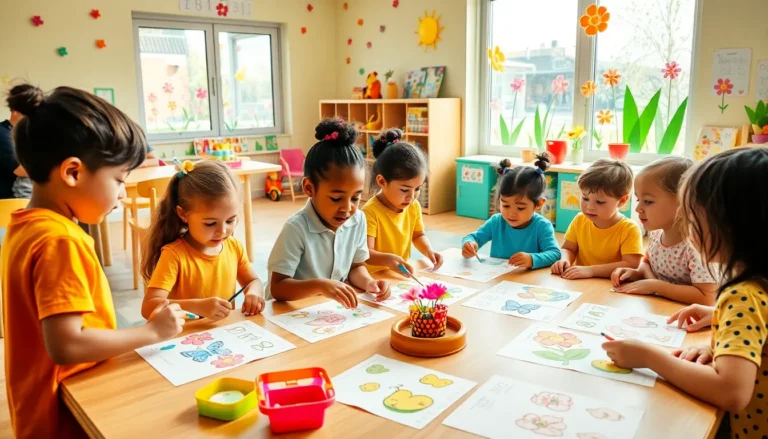
- Engage the child in play-based activities to evaluate social skills and problem-solving abilities.
- Discuss developmental milestones such as language and motor skills with parents for a comprehensive view.
This structured approach helps educators determine how well a child might adapt to the preschool setting.
Tips for Parents
Parents can enhance the interview experience by following these tips:
- Practice questions with the child to build confidence and comfort.
- Arrive early to allow time to settle and ease the child into the environment.
- Be honest about the child’s strengths and challenges to provide useful context.
- Dress comfortably to promote a relaxed atmosphere for both the child and parents.
- Bring along favorite items from home, like toys or books, to help the child feel secure.
These strategies contribute to a positive impression and support the child in showcasing their abilities.
Conducting a Successful Preschool Interview
Conducting a preschool interview requires careful planning and focus on clear communication. Educators can gather valuable insights into a child’s readiness for preschool through targeted questions and effective observational techniques.
Key Questions to Ask
Asking the right questions during the interview can reveal essential information about a child. Consider these questions:
- What are your child’s favorite activities? This question helps identify interests that can be incorporated into the preschool experience.
- How does your child interact with peers? Understanding social interactions provides context for assessing emotional readiness.
- What skills does your child exhibit? Inquiring about academic and self-help skills aids in determining developmental milestones.
- How does your child respond to routine changes? This assesses flexibility and adaptability in new environments.
- What challenges has your child faced? Knowing these challenges helps educators tailor their approach to support the child.
These questions create a comprehensive picture of the child’s strengths and areas of growth.
Observational Techniques
Observational techniques play a critical role in the preschool interview process. Educators should focus on specific areas during the observation:
- Play behavior: Analyzing how a child engages in play reveals social skills, problem-solving abilities, and creativity.
- Interaction with parents: Observing parent-child dynamics offers insights into attachment and communication styles.
- Response to prompts: Noting how the child responds to direct questions or activities indicates comprehension and communication skills.
- Emotional regulation: Watching for signs of coping strategies during uncertain or challenging moments helps assess emotional maturity.
Utilizing these techniques provides educators with concrete examples of a child’s abilities and gives context to parent insights.
The Role of Educators in Preschool Interviews
Educators play a critical role in preschool interviews, facilitating connections with children and gathering vital information about their developmental progress. This interaction shapes a child’s first impression of school and informs educators’ approaches to support individual needs.
Building Rapport with Children
Building rapport with children is essential for educators during preschool interviews. Educators should approach children with warmth and friendliness, creating a safe and inviting atmosphere. Establishing eye contact, using a gentle tone, and engaging in playful conversation encourages children to express themselves. Asking open-ended questions about a child’s interests nurtures comfort, helping educators gain insights into the child’s personality and unique aspirations. Familiar activities, such as shared storytelling or simple games, can further enhance trust, allowing children to showcase their skills and interests naturally.
Assessing Developmental Milestones
Assessing developmental milestones is a core responsibility for educators during preschool interviews. Educators should utilize structured observation techniques to evaluate a child’s cognitive, motor, and social-emotional skills. Questions tailored to gauge a child’s problem-solving abilities, language development, and social interactions guide the assessment process. Activities that reflect typical developmental benchmarks, like basic counting tasks or interactive play, assist in identifying strengths and areas for growth. Attention to emotional regulation during interactions offers additional context regarding a child’s readiness for the preschool environment. Through thorough assessment, educators can craft appropriate strategies to support each child’s transition into school.
Preschool interviews serve as a vital bridge between home and school. They provide educators with essential insights into a child’s unique needs and developmental readiness. By fostering open communication between parents and teachers, these interviews create a supportive environment that benefits children during their transition to preschool.
Effective preparation can enhance the interview experience for both parents and children. When families approach this milestone with confidence and clarity, they set the stage for a positive educational journey. Ultimately, preschool interviews are not just assessments; they’re opportunities for collaboration that empower children to thrive in their early learning experiences.