When it comes to teaching preschoolers, classroom management isn’t just a set of rules: it’s the magical formula that transforms chaos into an environment where little learners can thrive. Imagine a room bustling with tiny humans, each one bouncing with energy and soaking up knowledge like sponges. Now, how do teachers maintain sanity while fostering creativity? Enter classroom management. Whether you’re juggling snack time or coordinating art projects, effective management ensures that each day runs smoother than a toddler’s velcro shoes. Let’s jump into the principles and practices that make preschool classroom management a breeze.
Understanding the Importance of Classroom Management in Preschool
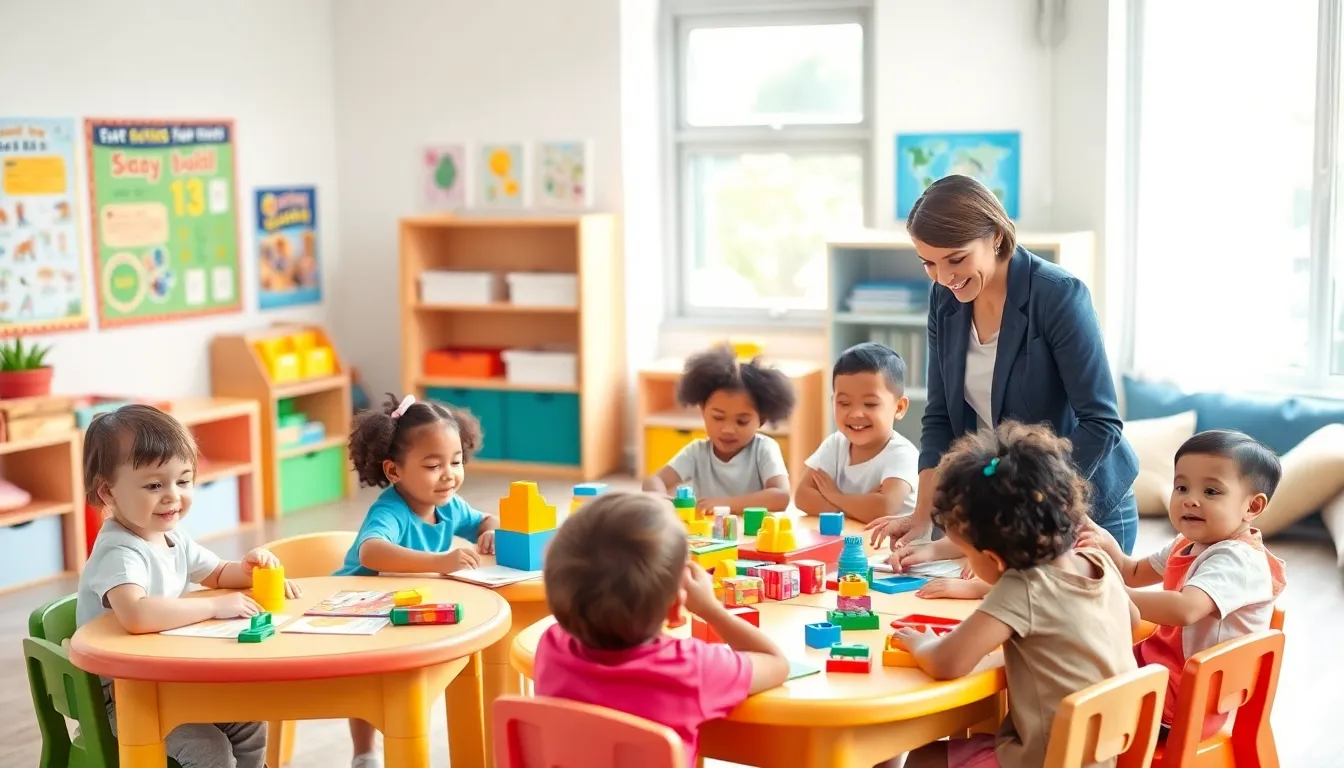
Classroom management in preschool is akin to the foundation of a sturdy house. It offers a secure base for education, helping young children adapt to structured learning and social interactions. Preschoolers are naturally curious and exuberantly active, which can lead to challenging situations. Effective management techniques reduce disruptive behavior and set the stage for optimal learning experiences. This approach not only aids children’s development but also empowers teachers to create a conducive atmosphere for exploration and growth. Also, when children feel safe and valued, their capacity to learn expands exponentially, setting them up for future academic success.
Key Principles of Effective Classroom Management
The foundation of effective classroom management hinges on a few key principles:
- Consistency: Just like toddlers need a routine, they thrive under consistent expectations. Predictable schedules help them understand what comes next and reduce anxiety.
- Clear Communication: Using simple language and visual cues ensures preschoolers grasp expectations. A calm yet firm tone paired with demonstrations works wonders.
- Positive Reinforcement: Rewarding good behavior motivates children. A sticker chart, a high-five, or even simple praise can boost their confidence and willingness to engage.
- Flexibility: While being structured is essential, remaining flexible allows teachers to adapt to spontaneous learning opportunities or changes in mood. Sometimes the best lessons arise from unexpected play.
- Building Relationships: Developing rapport with each child creates a trusting environment. Knowing each child’s interests ensures that lessons resonate, making them more engaged and responsive.
Strategies for Establishing a Positive Learning Environment
Creating a positive learning environment is crucial for preschoolers. Here are several effective strategies:
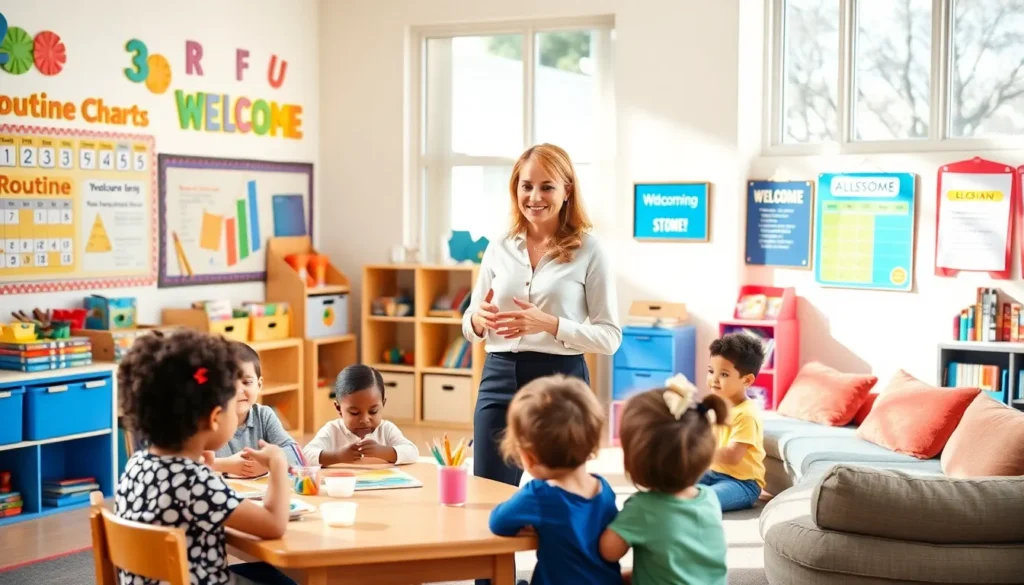
- Design an Inviting Space: Use colorful decorations, engaging materials, and comfortable seating. A well-organized classroom signals organization and care, inviting children to explore.
- Establish Routines: Morning greetings, transitional songs, and end-of-day reflections foster a sense of community. Familiar schedules help children feel safe and focused.
- Encourage Social Interaction: Activities like group projects or paired reading not only teach collaboration but also help build friendships. Peer relationships are vital for preschoolers’ social development.
- Incorporate Play: Learning through play is fundamental at this age. Ensuring a mix of structured activities and free play allows creativity to flourish while still teaching important skills.
- Set Up Learning Stations: Designate areas for different activities, art, reading, science exploration, allowing children to choose their play. This promotes autonomy and keeps them engaged.
Behavior Management Techniques for Young Children
Managing behavior effectively requires a toolkit of strategies tailored for young learners:
- Set Clear Expectations: Right from the start, establish what behaviors are acceptable. Use visuals, social stories, and role-plays to reinforce these guidelines.
- Model Appropriate Behavior: Children learn best by watching. Demonstration of positive interactions teaches them how to communicate and cooperate with peers.
- Use Time-Out Sparingly: If needed, a brief time-out can allow a child to calm down. But, it should be framed as a chance to regroup rather than a punishment, helping children to understand their emotions.
- Encourage Problem-Solving: When conflicts arise, guide children through finding resolutions. Teaching them to express feelings and negotiate lays the groundwork for conflict resolution skills.
- Communicate with Care: For ongoing behavioral issues, maintain open dialogues with parents, ensuring they are aware of strategies being used in class. This partnership can lead to more consistent behavior management.
Engaging Parents and Caregivers in Classroom Management
Involving parents and caregivers in classroom management fosters a cohesive support system for preschoolers. Consider the following:
- Open Lines of Communication: Regular newsletters, email updates, or a classroom app can keep parents informed about behavioral expectations and classroom activities.
- Host Workshops: Engaging parents through workshops on effective communication methods can help them support classroom rules at home, creating a seamless learning experience.
- Share Success Stories: Positive notes home about what a child is doing well not only boosts morale but encourages parents to continue those strategies at home.
- Plan Family Events: Inviting families to participate in activities nurtures relationships and shows parents that teaching is a partnership. Workshops or interactive story sessions can make them feel part of the education process.
Adapting Management Strategies for Diverse Learners
Diversity in the classroom is enriching, yet it presents unique challenges in classroom management. Here are some essential considerations:
- Cultural Sensitivity: Recognizing and appreciating the different cultural backgrounds of students not only informs behavioral expectations but also enriches classroom discussions.
- Tailored Approaches: Each child learns differently. Broadening management techniques, like visual aids for visual learners, tactile experiences for kinesthetic learners, ensures every student benefits.
- Individualized Support: For children with special needs, work with specialists to create strategies that cater to their particular circumstances, ensuring they have equitable access to learning opportunities.
- Foster Peer Support: Encourage the formation of buddy systems where children can support each other, helping them to develop empathy and social skills.