Ever wondered how much money Uncle Sam’s racked up over the years? If so, you’re not alone. The national debt can feel like that one friend who always borrows money but never pays it back. Understanding this financial saga is crucial, especially when it impacts everything from taxes to social programs.
Overview of National Debt
National debt reflects the total amount of money that a country owes its creditors. It includes the sum of all government borrowing minus repayments. Understanding national debt is crucial, as it directly affects various economic factors such as taxes and social programs.
The national debt of the United States has increased significantly over the years. In 2020, the debt reached approximately $27 trillion, driven by spending related to the COVID-19 pandemic. By 2021, this figure climbed to about $28 trillion, highlighting ongoing financial challenges.
Annual increases in national debt often raise concerns about economic sustainability. In 2022, the debt surpassed $30 trillion, prompting discussions on fiscal policy and responsibility. Historical trends indicate that periods of high national debt correlate with increased government expenditure and reduced budget surpluses.
Yearly charts illustrate these fluctuations. The U.S. national debt stood at $5.6 trillion in 2000, gradually rising to $10.6 trillion in 2008, directly following the financial crisis. This upward trajectory emphasizes the growing reliance on borrowing.
Policies aimed at debt reduction face scrutiny, as cutting spending can impact social services. Balancing the budget while managing the national debt requires strategic planning and fiscal discipline. Ultimately, an informed public engages more effectively in conversations surrounding national debt and its implications.
Historical Trends in National Debt
Understanding historical trends in national debt helps to contextualize current fiscal challenges. Analyzing the data provides insights into the implications for economic policies and future expenditures.
National Debt in the 20th Century
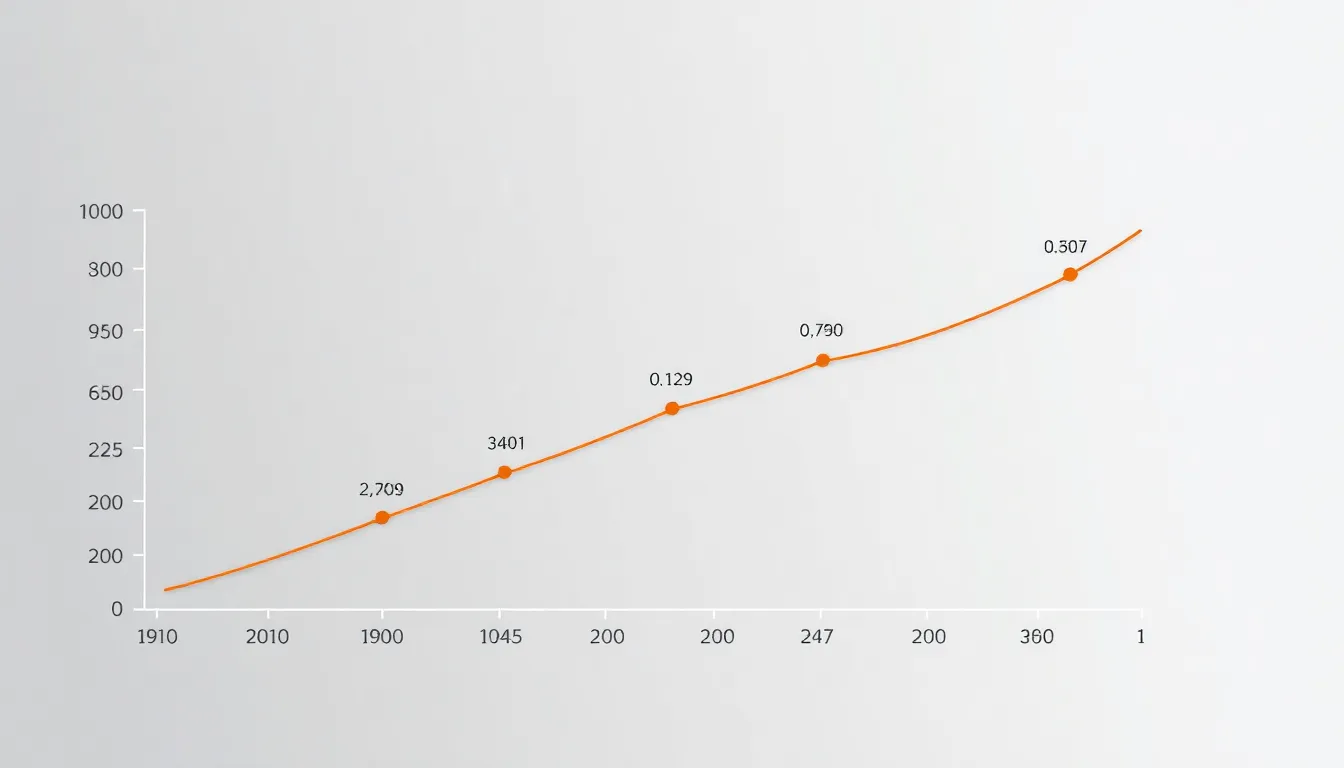
National debt saw significant fluctuations during the 20th century. By 1930, national debt reached $16.2 billion amid the Great Depression. World War II escalated debt levels further, pushing them to $258 billion by 1945. The post-war era experienced relative stability, with reductions in debt during the 1950s. In 1974, national debt climbed to approximately $516 billion, highlighting the impact of rising social programs. The trend continued upward, with the debt hitting $5.6 trillion by the year 2000, largely due to increased spending on defense and entitlement programs.
National Debt in the 21st Century
The 21st century marked a dramatic rise in national debt, primarily influenced by economic crises and governmental responses. By 2008, the debt reached $10.6 trillion after the financial crisis, driven by stimulus packages and bank bailouts. COVID-19-related spending led to significant increases, with national debt surpassing $27 trillion in 2020. As of 2021, the figure climbed to around $28 trillion, and by 2022, exceeded $30 trillion. Legislative discussions have intensified around managing this growth, considering its implications for fiscal sustainability and the economy.
Analysis of National Debt by Year Chart
The national debt by year chart reveals significant trends over time. Observing the figures from various years illustrates important shifts in fiscal policy and economic conditions.
Key Patterns and Insights
Increasing national debt has often followed major financial crises. An initial rise happened in 2008 after the financial crisis, with debt growing from $5.6 trillion in 2000 to $10.6 trillion by 2008. Subsequent years saw rapid increases, notably driven by COVID-19 spending, escalating the total to nearly $28 trillion in 2021. Government expenditures related to social programs typically correlate with higher debt levels. Understanding these patterns highlights the connection between external factors and fiscal outcomes.
Factors Influencing Debt Changes
Several factors contribute to fluctuations in national debt. Economic recessions commonly trigger increased borrowing to fund stimulus packages. Legislative actions surrounding tax cuts can further influence revenue and spending levels. Social programs and defense spending also impact total debt significantly. External shocks, like global pandemics, prompt rapid government response, resulting in immediate increases in borrowing. These elements combined showcase the complex dynamics affecting national debt trends.
Implications of National Debt
National debt carries substantial implications for the economy, influencing everything from public services to taxes. Rising debt levels often lead to increased interest payments, which can strain federal budgets. Those increased interest payments limit fiscal flexibility. Striking a balance between managing debt and addressing social programs becomes critical.
Inflationary pressures may arise as the government borrows extensively. Economists warn that rising debt could potentially stifle economic growth if it leads to higher interest rates. Reduced investment in key areas like education and infrastructure can result from prioritizing debt payments. Policymakers face challenges in sustaining vital social programs alongside debt management.
Examining historical data on the national debt reveals troubling patterns. Following significant expenditures, such as during economic crises, debt skyrockets. Stakeholders must recognize that each increase in debt carries long-term consequences for financial stability. When the government implements tax cuts, debt levels often rise, complicating economic forecasts.
Current debates on national debt focus on fiscal sustainability. Discussions revolve around potential policy changes that could mitigate its impact. Lawmakers explore various strategies, including budgetary reforms and adjustments in taxation, to address the surging debt. Public awareness and engagement become essential to drive meaningful conversations on these pressing concerns.
Focusing on the national debt’s implications encourages a deeper understanding of its effects on future generations. Acknowledging these dynamics enables informed decision-making at both governmental and individual levels. Emphasizing strategic management of the national debt remains paramount in fostering long-term economic health and social welfare.
Understanding the trajectory of national debt is crucial for grasping its implications on the economy and public policy. As the debt continues to rise, the challenges it presents become increasingly complex. Policymakers must navigate the delicate balance between necessary spending and sustainable fiscal practices. The historical context provided by year-by-year charts highlights the urgency of informed discussions about national debt. Engaging the public in these conversations will be vital for shaping future strategies that ensure economic stability and the health of essential social programs. The path forward requires a commitment to transparency and proactive management to secure a stable financial future.