Table of Contents
ToggleEvery parent knows that kids can turn the simplest things into their next big adventure. But why not take it up a notch with DIY toys that spark creativity and keep those little hands busy? Crafting toys at home isn’t just a fun way to pass the time; it’s a chance to bond, learn, and maybe even save a few bucks while avoiding the dreaded toy aisle meltdown.
Imagine transforming everyday items into imaginative playthings that rival anything from the store. From cardboard castles to sock puppets that steal the show, DIY toys offer endless possibilities. Plus, they come with a side of giggles and a sprinkle of chaos—what more could a parent ask for? Dive into the world of DIY toys and discover how simple materials can create unforgettable experiences for kids.
What Are DIY Toys for Kids?
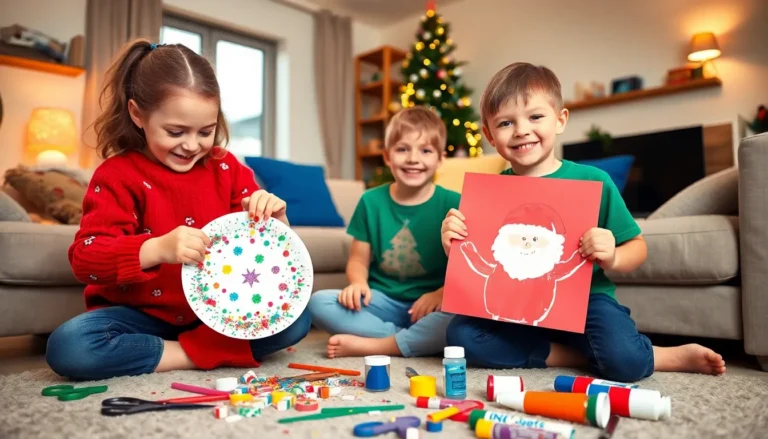
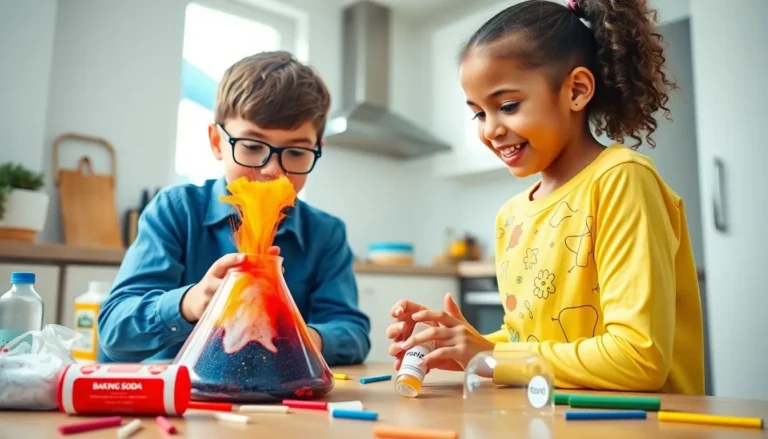
DIY toys for kids refer to playthings created by parents or children using materials readily available at home. These toys promote creativity, problem-solving, and imaginative play. One common example includes transforming empty boxes into vehicles or playhouses.
Parents often appreciate the opportunity to bond with their children during the construction process. Engaging in DIY projects fosters teamwork and communication skills. They can craft simple toys like sock puppets, marionettes, or paper airplanes.
Such activities also encourage resourcefulness, as they rely on everyday items instead of store-bought materials. Children learn the value of recycling and repurposing items, reducing waste in the process. Studies show that creative play enhances cognitive development, making DIY toys an effective educational tool.
Additionally, DIY toys offer customization. Kids can personalize their creations, selecting colors and designs that reflect their interests. This choice sparks enthusiasm, leading to more meaningful play experiences. Parents can find countless ideas online or through DIY craft books, providing inspiration for new projects.
Ultimately, DIY toys cultivate a sense of accomplishment. Completing a project gives children pride in their work, instilling confidence in their abilities. By combining fun with learning, DIY toys represent a rewarding approach to childhood play.
Benefits of DIY Toys
Creating DIY toys offers various advantages that enhance children’s development through play. Engaging in these projects helps foster a number of essential skills while providing enjoyable experiences for families.
Enhancing Creativity
DIY toys stimulate children’s imagination and creativity. They encourage kids to think outside the box and develop original ideas during the construction process. Crafting projects like cardboard castles or sock puppets enables children to explore new possibilities. Using common household items sparks innovation, giving kids a platform to invent and personalize their creations. This hands-on approach nurtures creativity, promoting independent thinking and problem-solving skills that extend far beyond playtime.
Developing Motor Skills
Crafting DIY toys enhances children’s fine and gross motor skills. Manipulating materials like scissors, glue, and other crafting supplies requires coordination and precision. Children strengthen hand-eye coordination while cutting, gluing, and assembling their toys. Creating items such as paper airplanes involves folding techniques that improve dexterity. Engaging in these activities not only promotes physical skill development but also increases confidence in children’s abilities. By practicing these skills through fun projects, kids enjoy learning while building essential motor capabilities.
Popular DIY Toy Ideas
Creating toys from simple materials sparks imagination and fosters creativity in children. Here are some popular ideas.
Recycled Materials Crafts
Crafting toys from recycled materials nurtures creativity while promoting sustainability. Children can use cardboard boxes to build forts or cars, enhancing their imaginative play. Used bottles transform into fun musical instruments, encouraging exploration of sound. Additionally, old fabric scraps can become colorful rag dolls, offering a tactile play experience. Engaging in these projects teaches kids about the value of reusing materials and reduces waste. This hands-on approach also develops fine motor skills as they cut, glue, and assemble, providing a rewarding crafting experience.
Nature-Inspired Toys
Incorporating natural elements into toy-making connects children with the outdoors and inspires creativity. Sticks can turn into imaginative swords or puppets, enhancing outdoor play. Stones can be painted to become unique animals or bugs, encouraging artistic expression. Leaves can be used to create collages or nature crowns, blending art with exploration. This connection to nature fosters appreciation for the environment while promoting sensory experiences. Crafting toys with natural materials enhances problem-solving skills and encourages teamwork when children collaborate on projects.
Tips for Making DIY Toys Safe
Ensuring the safety of DIY toys is paramount for a worry-free play experience. Start by selecting non-toxic materials. Using items like cardboard, fabric scraps, and natural elements provides a safer option for children. Avoid small parts that could pose choking hazards. Design toys that are age-appropriate, keeping in mind the developmental stage of each child.
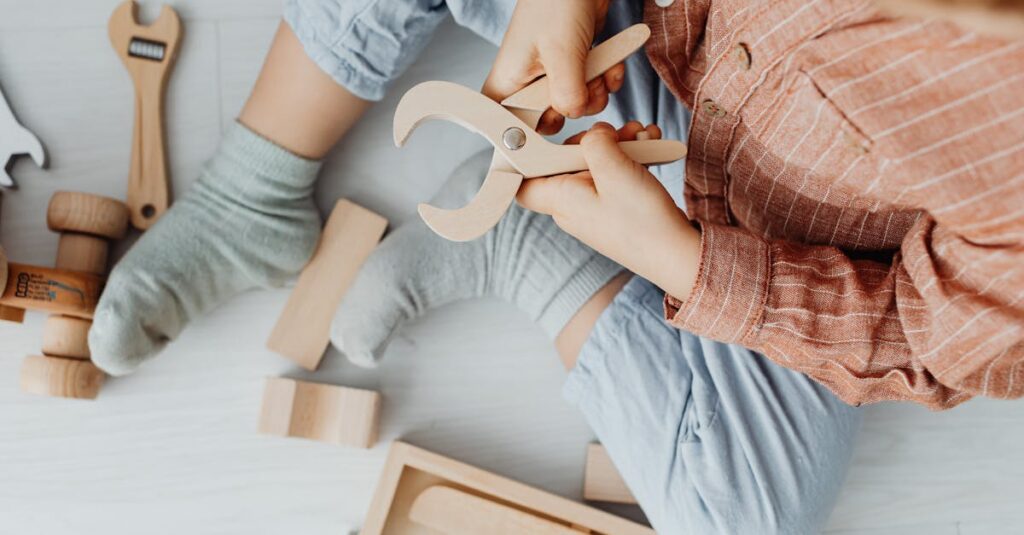
Inspect all materials thoroughly before use. Look for sharp edges, splinters, or toxic substances that could harm young hands. Incorporate child-friendly tools, such as safety scissors. Employing tools designed for children minimizes the risk of injury during crafting.
Apply smooth finishes on wooden or cardboard toys. Sanding surfaces prevents scratches, making playtime safer and more enjoyable. Secure items and components properly. Using child-safe glue ensures that parts will not detach and create hazards during play.
Supervise children while making DIY toys. Guiding them through the project helps keep them safe and enhances the learning experience. Explain safety rules and encourage them to ask questions about potentially dangerous steps in the crafting process.
Store DIY toys properly when not in use. Designate a safe space for toys to avoid accidents during playtime. Rotate toy options regularly to maintain engagement and ensure safety. Regular assessments of toy conditions will ensure they remain safe for use.
Maintain overall cleanliness and neatness in creativity areas. A tidy workspace reduces the likelihood of accidents and encourages an organized approach to crafting. Following these tips promotes not only creative play but also a safe environment for children to explore their imaginations.
Exploring DIY toys for kids opens up a world of creativity and bonding opportunities. These projects not only provide fun but also nurture essential skills that contribute to a child’s development. By transforming everyday items into imaginative playthings parents can foster resourcefulness and teamwork while teaching valuable lessons about sustainability.
Engaging in DIY toy-making allows children to personalize their creations enhancing their play experience and instilling a sense of accomplishment. With safety in mind parents can create a secure environment for their kids to explore their creativity. Embracing DIY toys not only enriches playtime but also strengthens family connections through shared experiences and joyful memories.