Imagine a world without plants. No shade on a sunny day, no flowers to brighten your garden, and definitely no trees to climb. Stems are the unsung heroes of the plant kingdom, working tirelessly behind the scenes. In this text, we’ll jump into the intriguing realm of stems, making it fun and easy to understand. So grab your garden gloves and let’s dig into the stem definition for kids who want to explore nature.
What Is a Stem?
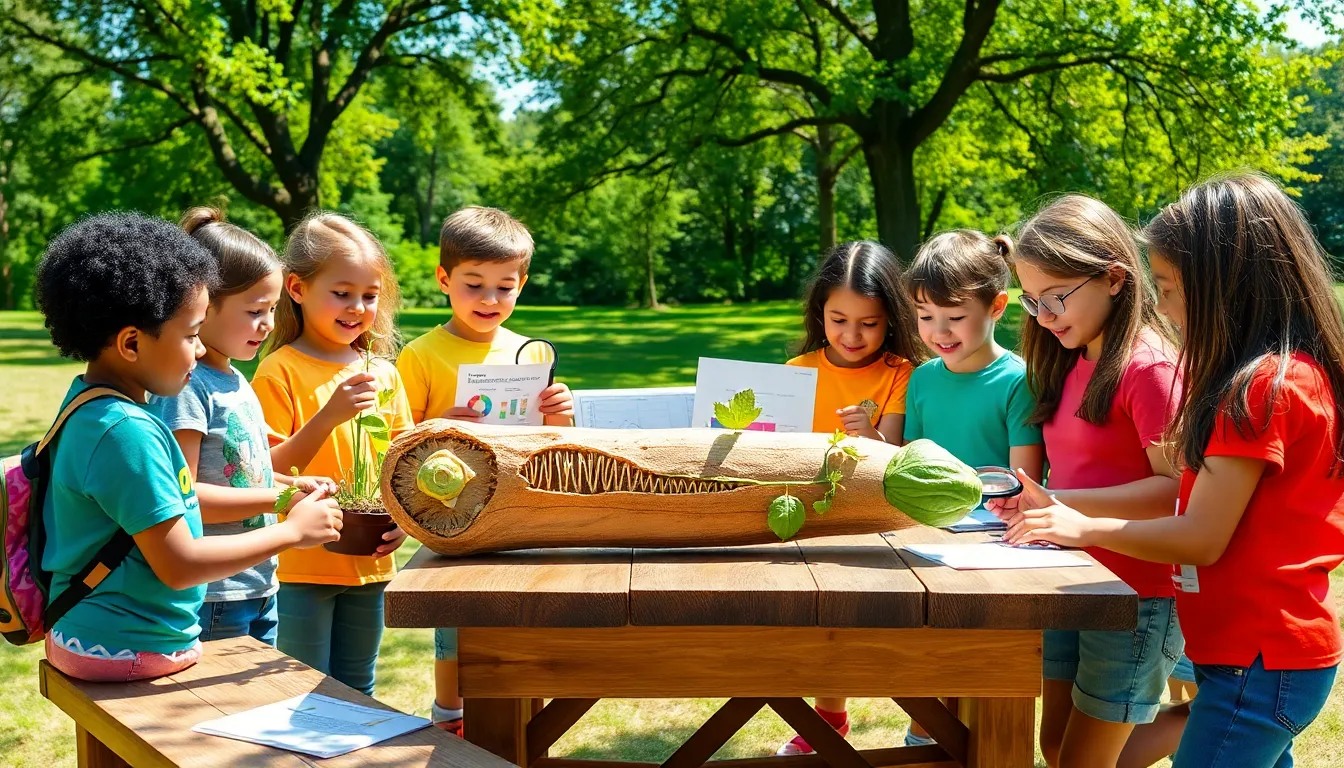
A stem is a vital part of a plant that supports it and helps it grow. Think of it as the plant’s backbone. Stems connect the roots to the leaves and flowers, playing a crucial role in transporting water, nutrients, and food throughout the plant.
There are a few interesting components that make up a stem:
- Node: This is the area where leaves and branches attach. Think of it as the plant’s joints.
- Internode: The space between the nodes. It’s like the links between the bones in our body.
- Bud: This is where new leaves or flowers begin to grow, like a tiny promise of new life.
Stems come in various shapes and sizes, but they all share the same essential roles of growth and support.
Importance of Stems in Plants
Stems are incredibly important for several reasons. Firstly, they support the plant, allowing it to reach for sunlight. Without a strong stem, a plant wouldn’t have the stability to stand tall. Imagine a tree trying to grow with spaghetti instead of a solid trunk – that wouldn’t go well.
Secondly, stems play a vital role in transporting water and nutrients. Water is absorbed by the roots and sent up through the stem to the leaves where it’s needed for photosynthesis, the process by which plants make their food. Nutrients from the soil follow the same path, ensuring every part of the plant gets what it needs to thrive.
Finally, stems can also store food. Some plants, like potatoes, have stems that swell with stored nutrients, making them a tasty treat. So, next time you dig into a baked potato, you’re enjoying the hard work of a plant’s stem.
Different Types of Stems
Stems come in many forms. Here are some common types of stems you might encounter:
Herbaceous Stems
These stems are soft and green, typically found in non-woody plants. They are flexible and often die back after growing seasons, but they can sprout again. Think of flowers like daisies and sunflowers – they have herbaceous stems.
How Stems Grow
Stems grow in a fascinating way. They use a process called apical growth, which means that growth happens at the tips. The areas at the top, called the meristems, are where new cells form, allowing the plant to stretch upward. As the stem grows taller, it also develops new nodes, which spawn leaves and branches.
Also, there’s something called secondary growth. This occurs in woody plants, like oak trees, where the stem gets thicker over time. Every year, more layers of cells are added, creating that sturdy trunk we all admire. So whether it’s climbing skyward or thickening up, stems show incredible growth.
Fun Facts About Stems
Who doesn’t love a few fun facts? Here are some remarkable things about stems that are sure to impress:
- Some plants, like bamboo, can grow incredibly fast, even up to 35 inches in a single day.
- Certain cacti have stems that store water to survive in arid conditions, allowing them to thrive in deserts.
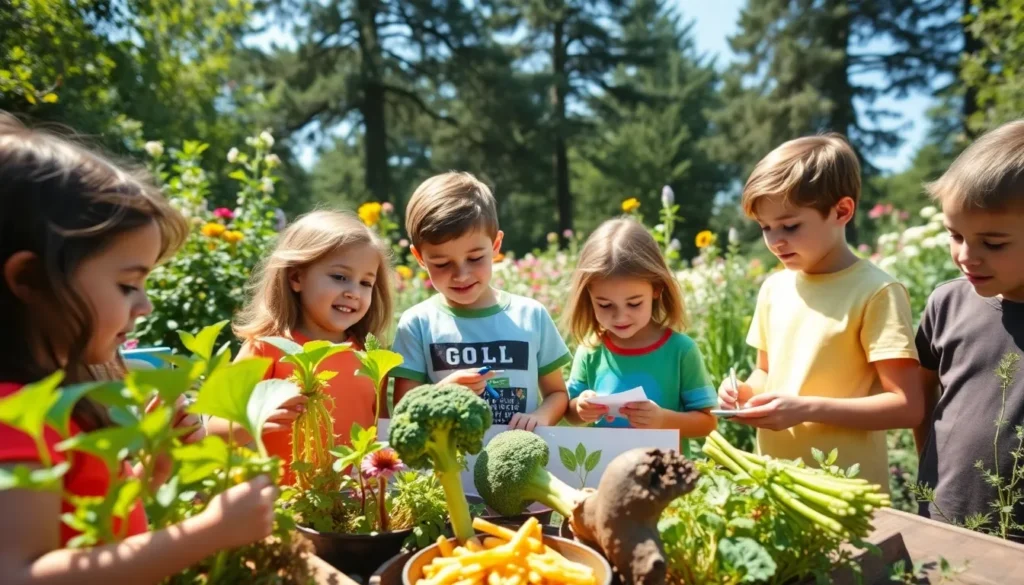
- Did you know that we eat stems? Broccoli and asparagus are actually stems of the plants.
- Lenticels are small openings on stems that allow gases to pass in and out – talk about breathing.
These fun facts just scratch the surface of what makes stems so fascinating.
Activities to Explore Stems
Learning about stems can be exciting with a few hands-on activities. Here are some fun ideas that kids can try:
- Stem Exploration Walk: Go outside and find different plants. Observe their stems and take notes on their colors, shapes, and sizes.
- Plant Experiment: Take rooted cuttings from different plants and place them in water. Watch how the stems transport water as they grow roots.
- Create a Stem Art Project: Use construction paper to make a plant poster. Label the parts, including the stem, nodes, and leaves. Get creative with colors and designs.
- Cook with Stems: Prepare a meal using broccoli or asparagus and talk about how these are actually plant stems.
These activities reinforce what children learn about stems while adding a fun twist to their education.