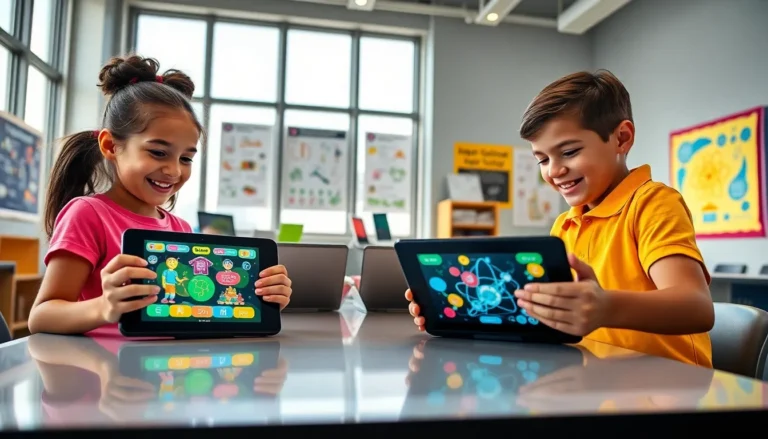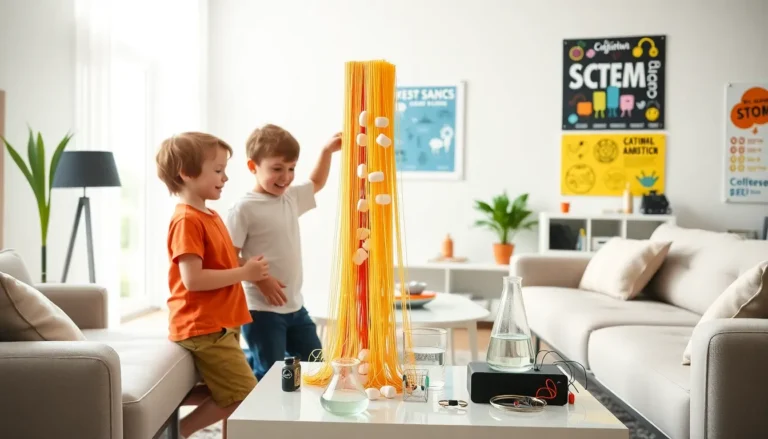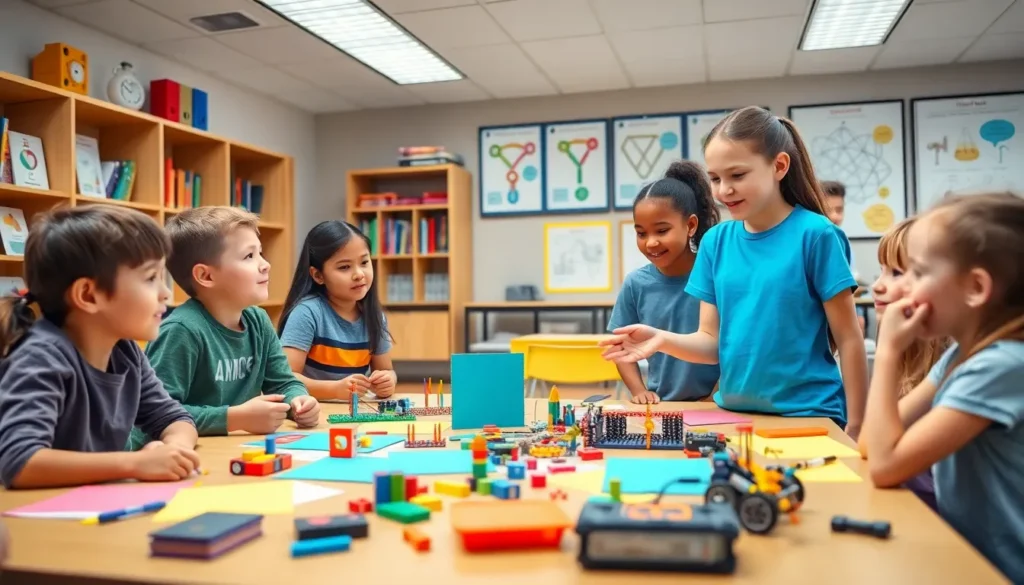
Have you ever caught your child watching a show that left you wondering whether they were learning or just being entertained? Welcome to the fascinating realm of STEM shows. These are not just your average kids’ programs: they’re like a glorious mashup of fun and learning that dials curiosity up to eleven. From robotic cupcakes to engineering challenges, STEM shows are making science as exciting as a superhero movie, all while kids unknowingly soak up knowledge like sponges. So if you’re ready to jump into why these shows are more than just screen time, keep reading.
What Are STEM Shows?
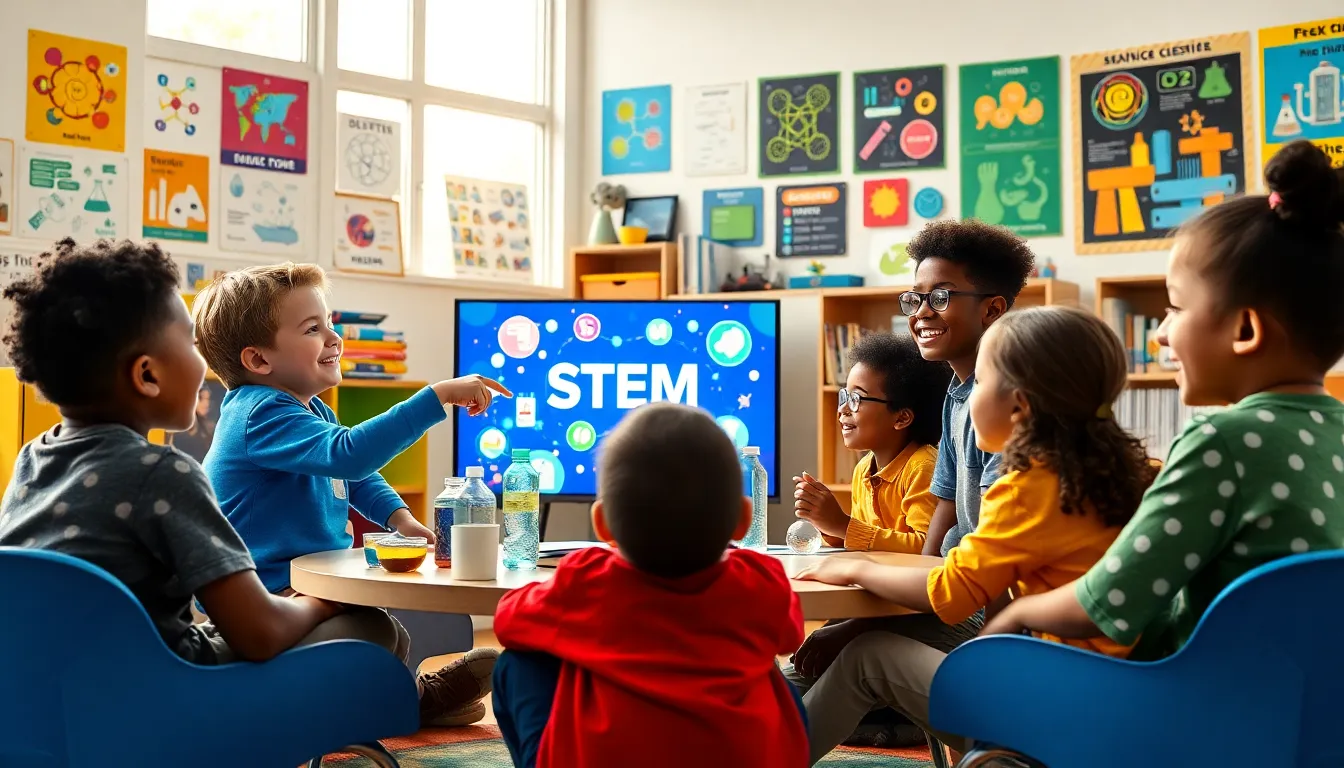
STEM shows are educational programs designed to introduce children to the principles of Science, Technology, Engineering, and Mathematics. They seek to ignite a love for these subjects through engaging storytelling, vibrant visuals, and hands-on activities. Think of a STEM show as a friendly guide navigating children through the complex world of science while keeping their attention firmly glued to the screen. These programs can take on various formats, including animated series, live-action adventures, or documentary-style episodes, making it easy for kids of all ages to connect with the material. A STEM show can be an enticing way for kids to explore concepts they might not encounter in standard classroom settings.
Benefits of STEM Shows for Children
STEM shows offer a multitude of benefits that go beyond mere entertainment. First and foremost, they help cultivate critical thinking skills. By presenting real-world problems or fun experiments, these shows challenge children to make predictions, analyze outcomes, and think logically. Most importantly, this encourages a growth mindset, where kids learn that it’s okay to fail as long as they keep trying.
Plus, STEM shows can foster creativity. When children see imaginative solutions to problems, like building a bridge from spaghetti, they’re inspired to think outside the box. Also, these programs often emphasize teamwork and collaboration, which are vital skills in today’s increasingly interconnected world. Finally, they can make STEM subjects feel accessible and fun, breaking the stereotype that math and science are boring. When children see their favorite characters mastering complex concepts, they’re more likely to develop an interest in these fields themselves.
Types of STEM Shows
The landscape of STEM shows is incredibly diverse. These programs can generally be classified into several types:
- Animated Series: Shows like Curious George and Sid the Science Kid introduce scientific concepts through charming stories and relatable characters.
- Live-Action Programs: Titles such as MythBusters Junior and Design Squad engage kids with experiments that encourage them to think critically and work together in teams.
- Documentary-Style Shows: Series like Bill Nye the Science Guy and Cosmos aim to investigate deeper into scientific subjects, although these are often geared towards older children and teens.
- DIY or Maker Shows: Programs such as Whiz Kids illustrate how common household items can be transformed into creative projects, encouraging hands-on learning.
Each type offers unique ways to engage children with STEM, allowing them the freedom to choose how they explore these fascinating subjects.
Popular STEM Shows for Kids
When it comes to picking the best STEM shows, the options are bountiful. Here are a few crowd favorites:
- Magic School Bus: This classic animated series takes children on educational adventures through the human body, outer space, and more, all while sparking their innate curiosity.
- Peep and the Big Wide World: Aimed at younger kids, this animated series introduces basic concepts of physics and biology through the eyes of a curious bird and his friends.
- Bill Nye the Science Guy: Bill Nye is a legend when it comes to engaging young minds with science through humor and zest.
- Code.org’s Coding with Anna and Elsa: This interactive program teaches kids basics of coding through beloved Disney characters.
These shows have made a lasting impact, proving that learning can be just as fun as playtime.
How to Choose the Right STEM Show
Picking the ideal STEM show can seem daunting with so many options available. Start by considering your child’s age and interests. For younger kids, look for animated shows that incorporate basic science concepts into fun stories. Older children might gravitate towards live-action formats, where they can see older kids conducting experiments or solving problems.
Next, think about educational value. Check reviews or educational websites that rate shows based on their STEM content. Pay attention to whether the program encourages critical thinking, creativity, and collaboration. Finally, don’t forget about your child’s feedback. Watching a show together and discussing what they’ve learned can make for enriching family time.
Integrating STEM Shows into Education
Incorporating STEM shows into educational settings can be both enjoyable and impactful. Teachers can use specific episodes to complement lesson plans or spark discussions about scientific topics. For instance, after watching a program about the water cycle, teachers can lead an interactive activity where students create a simple model to demonstrate the concept.
Also, parents can further integrate learning by encouraging hands-on projects at home based on what their children see in the shows. If a child learns about the concept of energy in a series, a weekend project might be building a simple wind turbine. This hands-on approach reinforces the lessons imparted by the STEM shows, creating lasting knowledge.