Crafting isn’t just for the Pinterest pros: it’s also for your little ones who might leave more glue on their hands than on the craft itself. This article explores engaging and simple DIY crafts that will spark joy in kids while developing important skills. Imagine a world where your child’s imagination takes flight as they create their own masterpieces, without turning your living room into a craft store explosion. These easy DIY crafts for kids are here to keep the mess manageable while ensuring the fun is uncontainable.
Why DIY Crafts Are Beneficial For Kids
Crafting offers a treasure trove of benefits for children, not only nurturing their artistic flair but also aiding in their development on multiple fronts.
Skills Developed Through Crafting
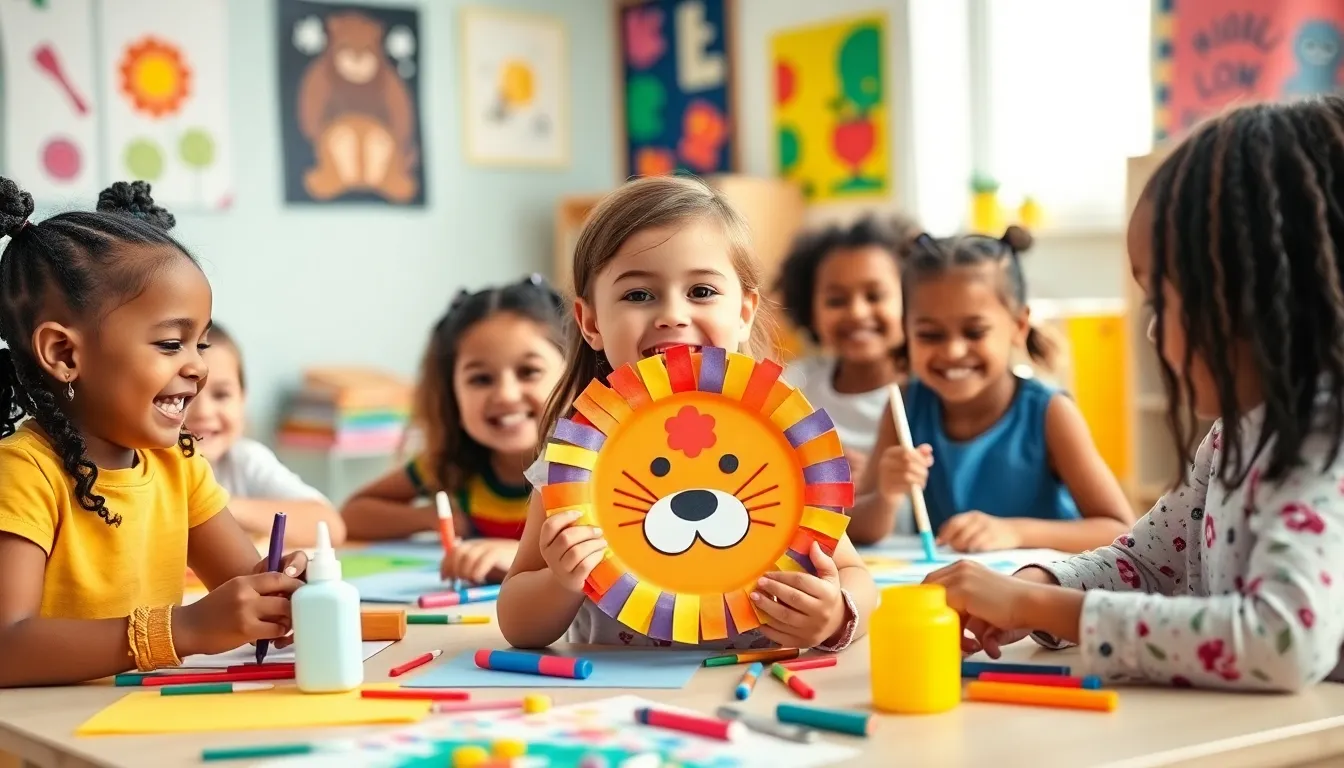
When children jump into DIY crafts, they’re not just playing: they’re developing fine motor skills as they cut, glue, and create. Manipulating small objects can enhance hand-eye coordination, making everyday activities like writing and buttoning shirts much easier. Also, crafting encourages problem-solving skills. When faced with an artistic challenge, say, how to make a paper plate look like a lion, they learn to strategize and figure out solutions.
Encouraging Creativity and Imagination
DIY crafts ignite the imagination. Children learn to think outside the box, experimenting with colors, shapes, and materials. This fosters a sense of creativity that equips them for life. Whether they’re making a crown fit for a king or a spaceship destined for Mars, the possibilities are endless. And guess what? These fun projects also cultivate resilience: it’s okay when things don’t go as planned. Kids learn persistence and adaptability, which are vital traits in today’s fast-paced world.
Recommended Age Groups for Crafting
Finding the right crafting projects that cater to different age groups is essential for ensuring that kids remain engaged and enthusiastic. Here’s a breakdown by age group, allowing for the perfect balance of challenge and fun.
Simple Craft Ideas For Toddlers
For the youngest crafters, simplicity is key. Projects like finger painting or creating collages with cut-out pictures from magazines offer tactile experiences that are crucial for development. Even simple activities like assembling shapes using play dough or blocks can stimulate creativity. Safety goes hand-in-hand here, so non-toxic materials are a must.
Fun Projects for Preschoolers
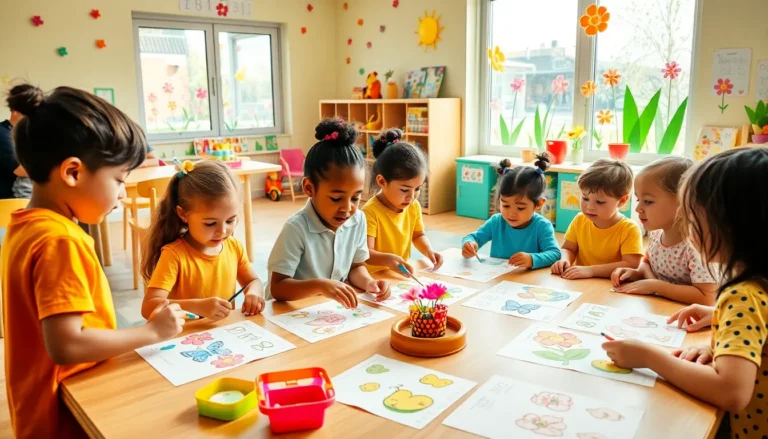
As children transition into preschool, they crave more engaging projects. Activities like making paper plate masks or decorating flower pots with stickers not only boost creativity but also improve fine motor skills. Creating a DIY bird feeder with pinecones, peanut butter, and birdseed can also be a delightful outdoor project, encouraging a connection with nature.
Engaging Activities for School-Aged Kids
School-aged children have the energy and creativity to tackle a broader array of crafting adventures. This age group flourishes with project ideas that challenge them while keeping them entertained.
Seasonal Crafts for Every Occasion
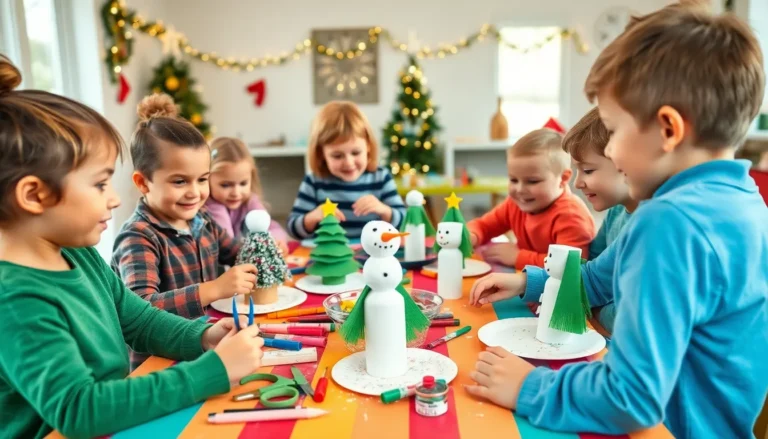
Seasonal crafts make every holiday an opportunity for fun. From Halloween decorations made of recycled materials to Thanksgiving gratitude trees that celebrate what they are thankful for, these projects can become family traditions. Crafting wreaths from leaves in autumn or making handmade Christmas ornaments adds a personal touch to festive occasions, making them more memorable.
Craft Kits Versus Homemade Materials
While craft kits can streamline the process, homemade materials encourage resourcefulness. Kids can learn to repurpose items like cardboard boxes, fabric scraps, or even egg cartons to create unique projects. Combining both options enriches their crafting experience, as restrictions can often lead to innovative creations. Mix and match for a fully rounded crafty experience.
Tips for a Successful Crafting Session
To make the most of crafting time, a few preparations can go a long way. Here’s how to set the stage for crafting success.
Setting Up a Crafting Space
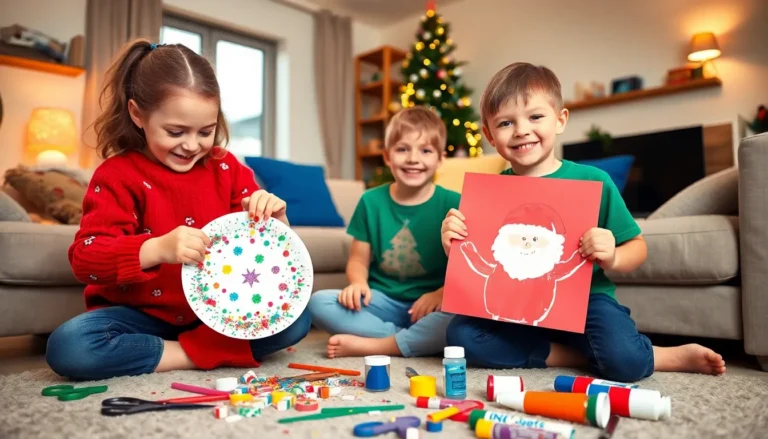
Designate a space specifically for arts and crafts. This can be as simple as a table covered with a plastic cloth, making cleanup a breeze. Gather supplies like paper, scissors, and markers in one area to avoid the dreaded “where’s that scissor” search. Having all tools within reach reduces interruptions and keeps the creative flow going. Plus, make sure to include a place for drying projects, nothing’s worse than waiting for that last coat of paint to dry.
Safety Tips and Best Practices
While crafting is loads of fun, safety should always be the utmost priority. Here are some guidelines to keep in mind during crafting sessions.
- Use Child-Friendly Supplies: Always opt for non-toxic, safe materials suitable for kids’ use. This is especially important when it comes to glues, paints, and glitter.
- Supervise Small Parts: For younger kids, keep small items like beads or buttons away during crafting. Supervise older children during projects involving scissors.
- Establish Ground Rules: Set clear boundaries and guidelines before starting a project. This makes for smoother sessions and minimizes accidents.