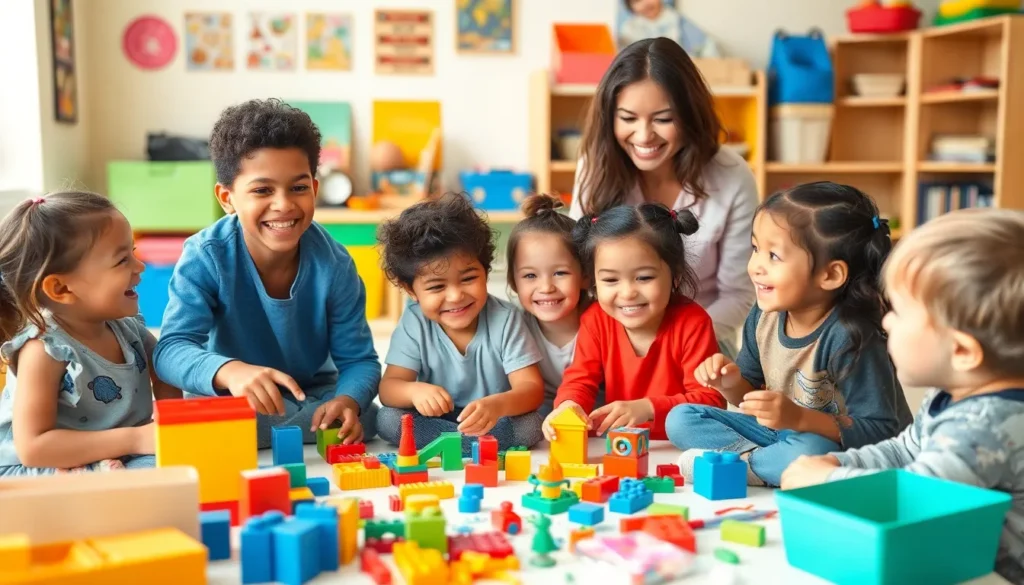
In a world where learning can often feel like a chore, educational toys offer a refreshing twist. These innovative tools not only entertain but also stimulate young minds, fostering creativity and critical thinking. By engaging children in play, these toys create a dynamic environment where learning becomes a natural part of their everyday experiences.
Parents and educators alike recognize the importance of choosing the right toys to support developmental milestones. From building blocks that enhance spatial awareness to science kits that spark curiosity about the world, educational toys are designed to promote skill acquisition while keeping children captivated. As the market evolves, the variety of options available ensures that every child can find something that resonates with their interests and learning styles.
What Are Educational Toys?
Educational toys are designed to stimulate learning and development through play. These toys focus on enhancing skills such as problem-solving, communication, and motor skills. Examples of educational toys include puzzles that improve cognitive skills, art supplies that foster creativity, and interactive games that promote social interaction.
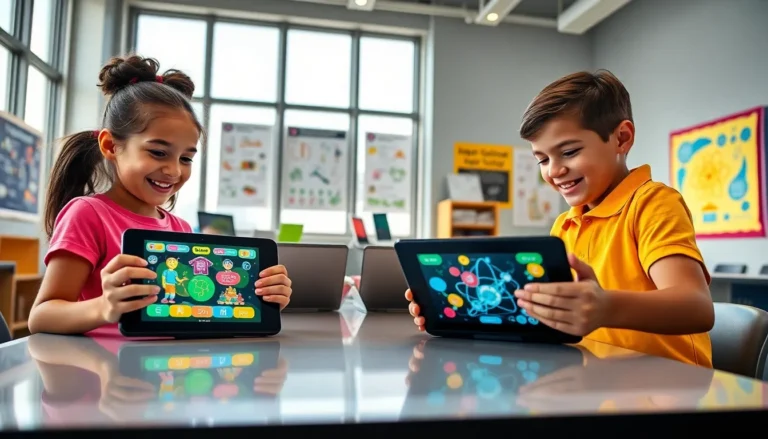
Educational toys incorporate specific learning standards, addressing various areas of development. Toys targeting STEM (Science, Technology, Engineering, Math) concepts often use building sets or robotics kits to engage children in hands-on experiences. Language development benefits from toys like phonics games and reading interactive books.
The selection of educational toys often considers the child’s age and developmental stage, ensuring relevance to their learning needs. Parents and educators recognize that these toys not only provide entertainment but also create opportunities for essential skill-building, supporting holistic growth in children.
Benefits of Educational Toys
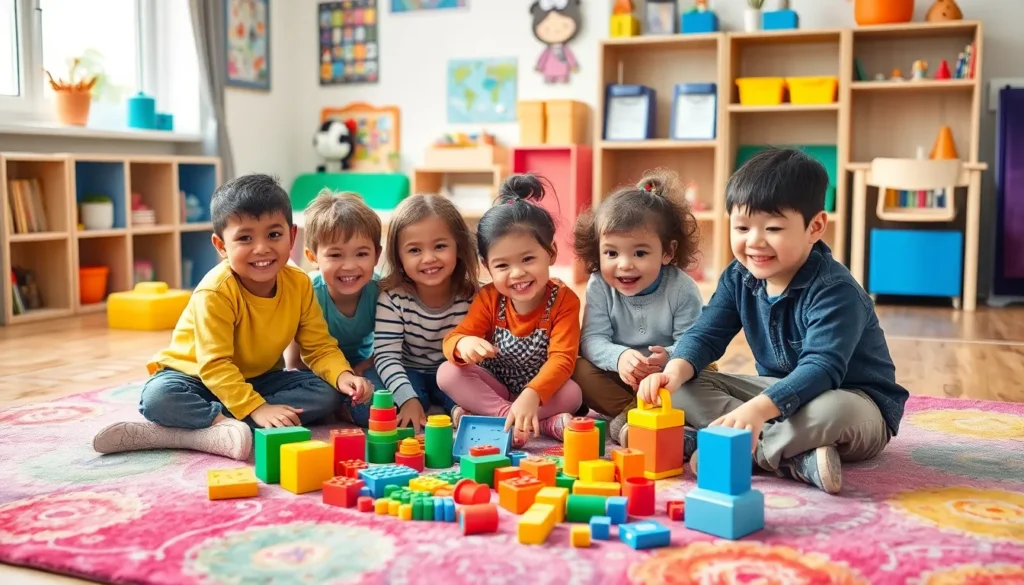
Educational toys offer numerous advantages for children, enhancing their overall development while making learning entertaining. These toys encourage various skills essential for success in life.
Enhancing Cognitive Skills
Cognitive skills, such as problem-solving and critical thinking, benefit significantly from educational toys. Toys like puzzles and building sets stimulate a child’s brain by challenging their reasoning abilities and enhancing spatial awareness. For example, jigsaw puzzles improve concentration and memory skills, while building blocks promote logical thinking and creativity. Many educational toys introduce concepts from math and science, laying a foundation for future learning. Studies indicate that children who engage with these types of toys demonstrate improved academic performance and a deeper understanding of complex concepts.
Promoting Social Interaction
Social skills flourish through the use of educational toys that encourage group play. Toys like board games and cooperative building sets promote teamwork and communication among peers. These interactions teach children how to share, negotiate, and resolve conflicts effectively. Engaging in play with others helps develop empathy and emotional intelligence, making it easier for children to navigate social scenarios. According to research, children who play together often exhibit stronger social skills, which contribute to better relationships and teamwork later in life.
Types of Educational Toys
Various types of educational toys cater to different learning needs and styles. Each category targets specific skills while keeping play engaging and interactive.
STEM Toys
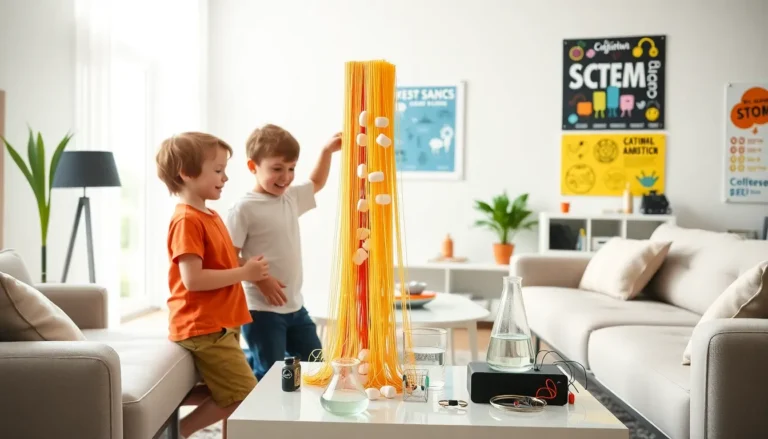
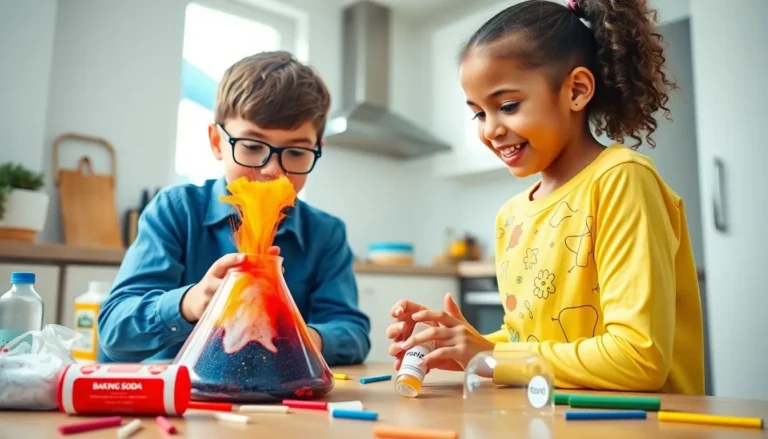
STEM toys focus on science, technology, engineering, and mathematics principles. These toys encourage analytical thinking and problem-solving skills. Examples include robotics kits, chemistry sets, and engineering building systems. Research indicates that early exposure to STEM concepts enhances children’s interest in these fields, often leading to greater academic success. Children can enjoy hands-on experiments, fostering curiosity and reinforcing complex concepts through practical application.
Creative Toys
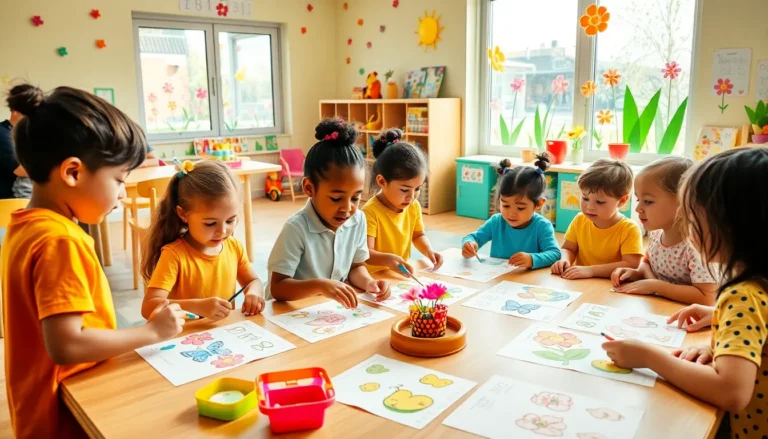
Creative toys emphasize artistic expression and imaginative play. They include supplies like crayons, paints, and craft kits, facilitating fine motor skill development. Activities such as drawing or sculpting stimulate creativity and boost cognitive abilities. Engaging in creative play allows children to explore their emotions and communicate ideas effectively. Communities that promote such creative interactions often notice enhanced emotional intelligence and improved problem-solving skills in children.
Language Development Toys
Language development toys support verbal communication and literacy skills. These toys may include books, flashcards, and interactive storytelling devices. They promote vocabulary expansion and reading comprehension through engaging narratives. Research shows that early exposure to language-rich environments correlates with stronger academic outcomes. Children using these toys often demonstrate improved articulation and confidence in communication, providing a foundation for successful social interactions in later life.
Choosing the Right Educational Toys
Selecting educational toys involves considering several key factors, ensuring that they meet a child’s developmental needs and learning goals. Two primary aspects to evaluate are age appropriateness and specific learning objectives.
Age Appropriateness
Age appropriateness plays a significant role in the effectiveness of educational toys. Each toy comes with recommended age ranges designed to match developmental milestones. For example, toys with small pieces, like building sets, are suitable for older children to prevent choking hazards. Conversely, infant toys, such as rattles and soft blocks, target sensory development and motor skills. Assessing the child’s age and developmental stage ensures that toys challenge without overwhelming them, fostering engagement and effective learning.
Learning Objectives
Learning objectives determine the skills and knowledge the toy aims to enhance. Different educational toys target various areas. For instance, STEM-focused toys, like robotics kits, sharpen problem-solving skills and analytical thinking. Creative toys, such as art supplies, encourage imagination and fine motor development. Language development toys, like storybooks and phonics games, support communication and literacy skills. Identifying desired learning outcomes helps parents and educators choose toys that align with children’s interests, facilitating a more enriching play experience.
Educational toys play a crucial role in a child’s development by seamlessly blending learning with play. They not only entertain but also foster essential skills that contribute to a child’s overall growth. By selecting the right toys that cater to individual interests and developmental stages, parents and educators can create enriching environments that enhance cognitive abilities, creativity, and social skills.
As the market continues to evolve, the variety of educational toys available ensures that every child can find something that resonates with them. Investing in these toys is investing in a child’s future, paving the way for lifelong learning and success.