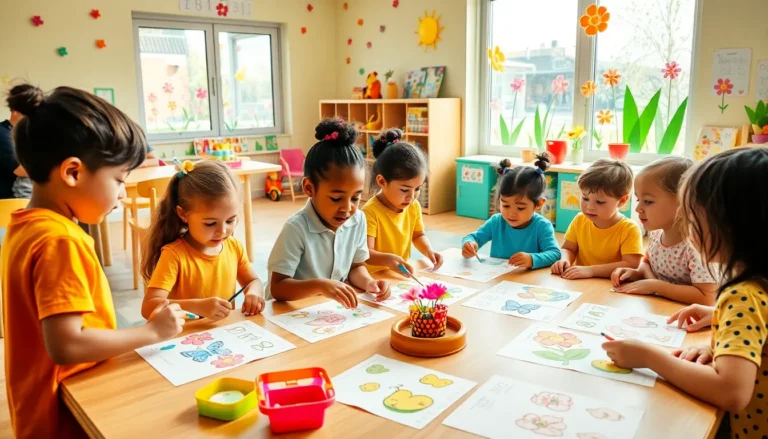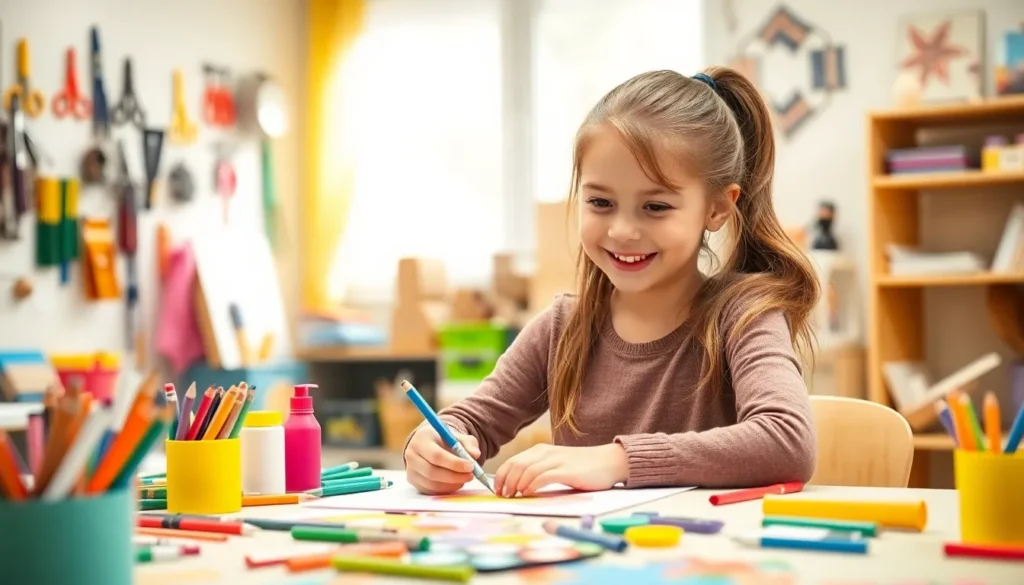
Crafting isn’t just a fun pastime; it’s a gateway to creativity and self-expression for kids. With the right craft supplies, children can transform their imaginative ideas into tangible masterpieces. Whether it’s a rainy day activity or a school project, having a well-stocked craft corner can ignite a passion for art and innovation.
From vibrant paper and colorful paints to glue sticks and scissors, the options are endless. Parents and educators alike understand the importance of providing quality supplies that inspire young minds. Engaging in crafts not only boosts creativity but also enhances fine motor skills and encourages problem-solving. As kids dive into their projects, they learn to think outside the box and develop their unique artistic voice.
Overview of Craft Supplies for Kids
Craft supplies play a crucial role in facilitating children’s creative endeavors. A varied assortment of materials encourages imaginative play and supports skill development.
Importance of Crafting
Crafting serves as more than just a recreational activity for kids. It enhances creativity, allowing children to express their thoughts and emotions. Crafting fosters individualism, enabling kids to explore personal styles and preferences. Engaging in crafting activities cultivates a sense of accomplishment, motivating children to try new techniques and ideas.
Benefits of Creative Activities
Creative activities provide numerous developmental advantages for children. They improve fine motor skills through actions such as cutting, gluing, and painting. These activities promote problem-solving skills, as children strategize and plan their projects. Additionally, creative pursuits enhance cognitive abilities, encouraging critical thinking and imaginative exploration. Engaging in these activities also boosts self-esteem, as completing a project gives kids a tangible sense of achievement.
Types of Craft Supplies
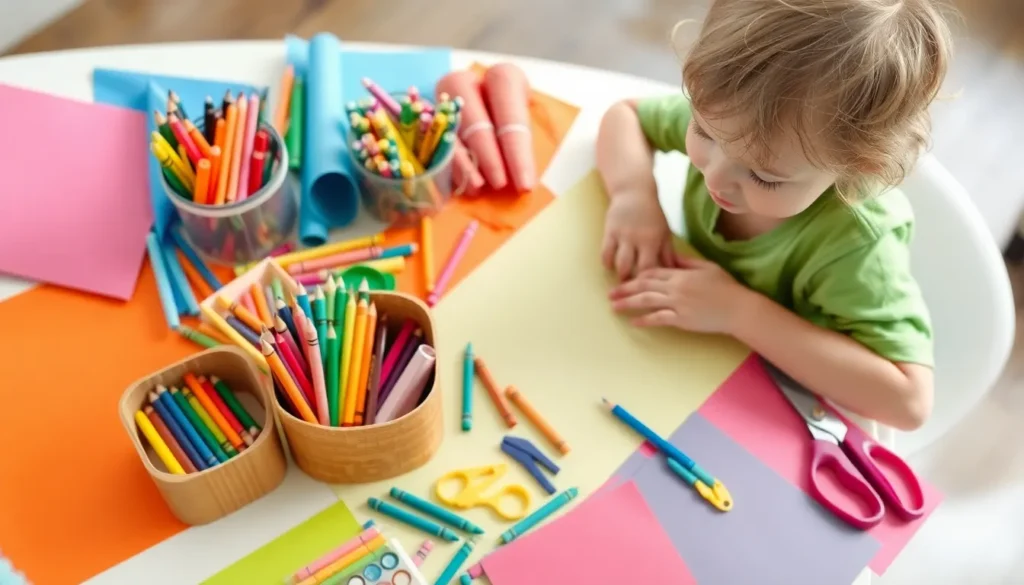
Various craft supplies enhance children’s creativity, allowing them to express themselves. This section outlines key types of craft supplies essential for any crafting corner.
Paper Products
Paper products serve as a fundamental crafting supply. Options include:
- Construction Paper: Thick, vibrant paper great for cutting, folding, and gluing.
- Cardstock: Durable and sturdy, ideal for creating cards and heavier projects.
- Origami Paper: Lightweight, specifically designed for paper folding crafts.
- Tissue Paper: Thin and colorful, often used for making decorations and collages.
Coloring Materials
Coloring materials brighten children’s craft projects. Common items include:
- Crayons: Easy to grip, perfect for young children.
- Markers: Available in various tip sizes for detailed artwork.
- Colored Pencils: Great for blending colors and adding texture.
- Watercolor Paints: Versatile for washes and fine details, offering a fluid medium.
Crafting Tools
Crafting tools support various project tasks. Essential tools include:
- Scissors: Safety scissors designed for younger children ensure safe cutting.
- Glue: Options range from liquid glue to glue sticks, suitable for different materials.
- Tape: Double-sided or masking tape for quick and easy bonding.
- Paintbrushes: Various sizes to accommodate detailed or broad strokes.
Recycled Materials
- Cardboard: Sturdy and versatile for constructing models or sculptures.
- Plastic Bottles: Transform into planters, sculptures, or unique art pieces.
- Egg Cartons: Perfect for creating creatures or as paint palettes.
- Magazines: Ideal for cut-outs in collage projects or decoupage.
Choosing the Right Craft Supplies
Selecting the right craft supplies is essential for enhancing children’s creativity. Careful consideration of various factors ensures that kids enjoy crafting safely and effectively.
Age Appropriateness
Age appropriateness plays a crucial role in choosing craft supplies. Different age groups require specific materials based on their developmental stages. For toddlers, large and soft items like chunky crayons and thick paper promote safe exploration. Preschoolers benefit from washable paints and simple tools like safety scissors. School-aged children can handle more complex supplies, such as glitter, beads, and intricate glue applications. Adults should assess children’s abilities and interests to select supplies that match their skills while providing challenges for growth.
Safety Considerations
Safety considerations are paramount when selecting craft supplies for kids. Materials should be non-toxic and free from harmful chemicals. Labels on products should indicate child safety, ensuring compliance with relevant safety standards. Avoid small items that pose choking hazards for younger children. Precision tools, like scissors, should have rounded tips. Supervision during crafting sessions helps mitigate risks and educates children about safe handling practices.
Accessibility and Budget
Accessibility and budget significantly influence craft supply choices. Many craft stores offer a wide variety of supplies at different price points, catering to various budgets. Bulk purchasing can reduce costs while ensuring a diverse range of materials. Recycled items, such as cardboard and paper, provide inexpensive options for creative projects. Online resources often list affordable supply kits, perfect for convenience and variety. Balancing quality with cost ensures children have the best materials to stimulate their creativity without overspending.
Creative Craft Ideas for Kids
Crafting activity encourages children to explore their creativity through hands-on projects. Here are some engaging craft ideas categorized into seasonal, educational, and group activities to inspire creativity.
Seasonal Crafts
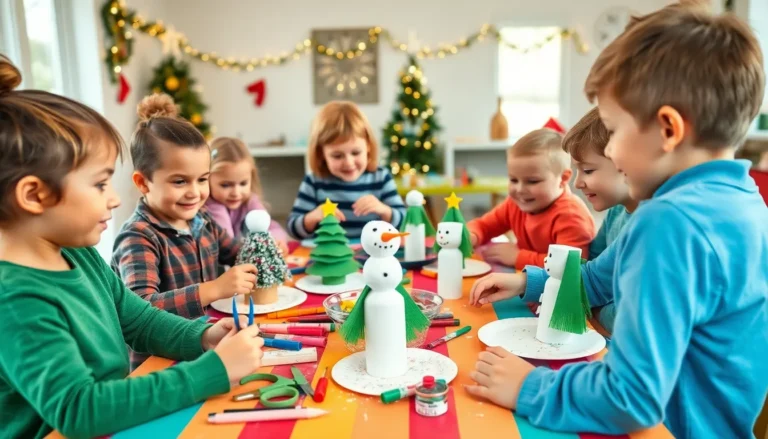
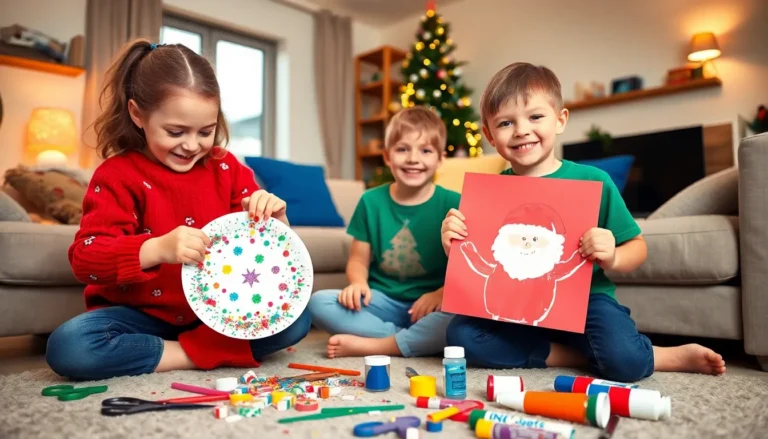
Seasonal crafts allow children to celebrate various holidays and changes in nature. Projects can include:
- Autumn Leaf Art: Kids collect colorful leaves and create unique collages or prints.
- Snowflakes: Cutting paper into intricate shapes to decorate windows during winter.
- Spring Flowers: Using colored paper or tissue to create bouquets, enhancing their understanding of blooming seasons.
- Holiday Ornaments: Making decorations from felt, beads, or recycled materials to personalize tree displays.
Educational Crafts
Educational crafts integrate learning with creativity, reinforcing various skills. Examples consist of:
- Alphabet Crafts: Each letter represents a theme, where children create corresponding objects, like making a “B” and crafting a boat.
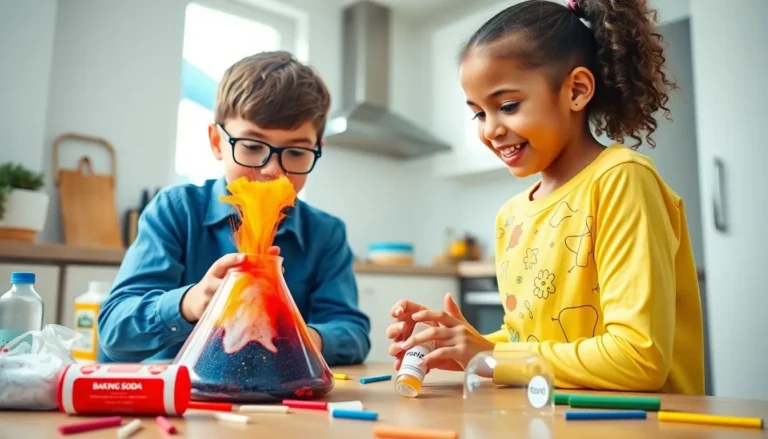
- Science Projects: Constructing simple volcanoes with baking soda and vinegar introduces basic chemistry.
- Cultural Exploration: Crafting items related to different cultures, such as origami for Japanese culture, encourages global awareness.
- Math Crafts: Using geometric shapes to create art, reinforcing shape recognition and spatial reasoning.
Group Activities
- Collaborative Murals: Children work together to paint a large paper mural, creating a collective masterpiece.
- Craft Fairs: Organizing a mini craft fair allows kids to showcase and sell their projects to family or friends.
- Scavenger Hunts: Involving craft supplies, where teams find items and create projects from them, enhances problem-solving skills.
- Themed Parties: Hosting crafting sessions centered on a specific theme, such as nature or space, fosters creativity through guided projects.
Craft supplies play a vital role in nurturing children’s creativity and self-expression. By providing a diverse range of materials, parents and educators can inspire imaginative play and support skill development. Engaging in crafts not only enhances fine motor skills but also encourages problem-solving and boosts self-esteem.
With the right supplies and a little guidance, kids can explore their artistic potential through seasonal, educational, and group activities. These creative experiences foster collaboration and help children build their unique artistic identities. Investing in quality craft supplies is an investment in a child’s growth and creativity, paving the way for a lifetime of imaginative exploration.