Crafting offers preschoolers a vibrant way to explore their creativity while developing essential skills. Engaging in hands-on activities not only sparks imagination but also enhances fine motor skills, hand-eye coordination, and problem-solving abilities. From simple paper collages to colorful finger painting, preschool crafts provide endless opportunities for young minds to express themselves.
Parents and educators alike recognize the importance of incorporating crafts into early childhood education. These activities foster social interaction as children collaborate and share ideas. Plus, they create lasting memories that families can cherish. In this article, we’ll dive into a variety of fun and easy preschool craft ideas that will inspire creativity and learning in every young artist.
What Are Preschool Crafts?
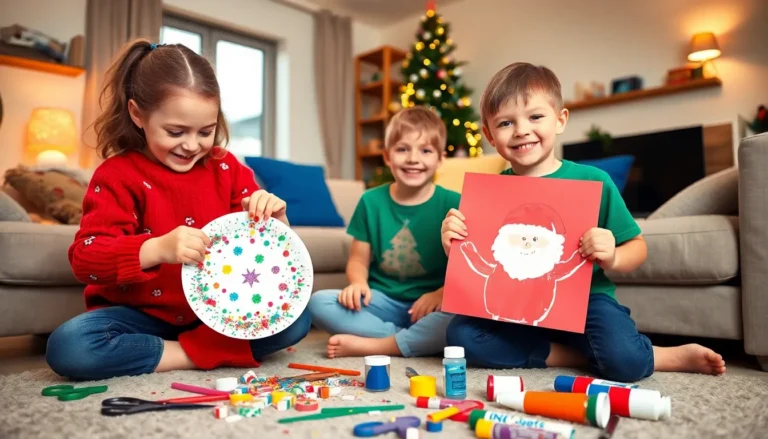
Preschool crafts encompass creative activities designed for children aged three to five. These activities utilize simple materials, fostering imaginative expression and exploration. Preschool crafts include projects like painting, collage-making, and seasonal decorations.
Preschool crafts serve multiple purposes in early childhood development. They promote fine motor skills through actions like cutting, gluing, and coloring. Crafts enhance hand-eye coordination as children learn to manipulate tools and materials. Problem-solving skills flourish as children learn to follow instructions or figure out how to achieve desired results.
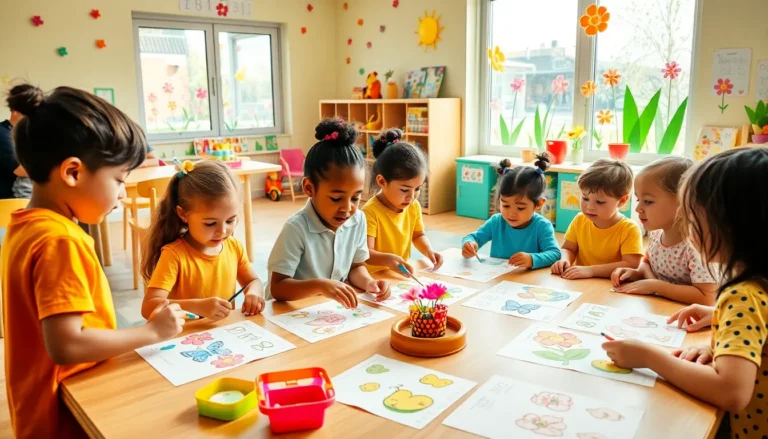
Additionally, preschool crafts encourage social interaction among children. Group crafting sessions promote teamwork and communication, while sharing materials cultivates sharing and cooperation. Family involvement in crafts creates opportunities for bonding and developing lasting memories.
Benefits of Preschool Crafts
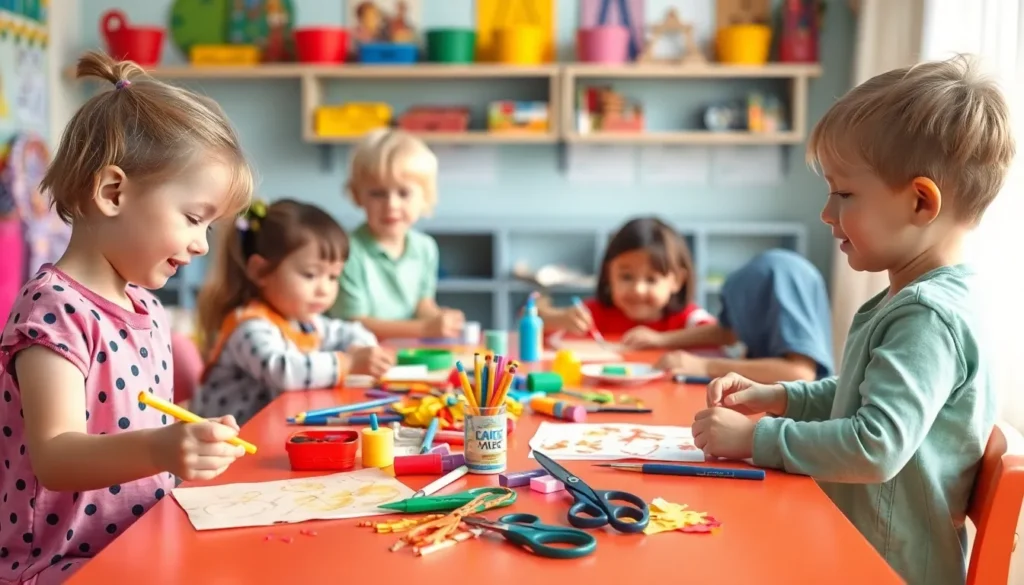
Preschool crafts offer numerous advantages for young children, fostering essential skills while promoting creativity. Engaging in these activities encourages imaginative expression and enhances developmental milestones.
Enhancing Creativity
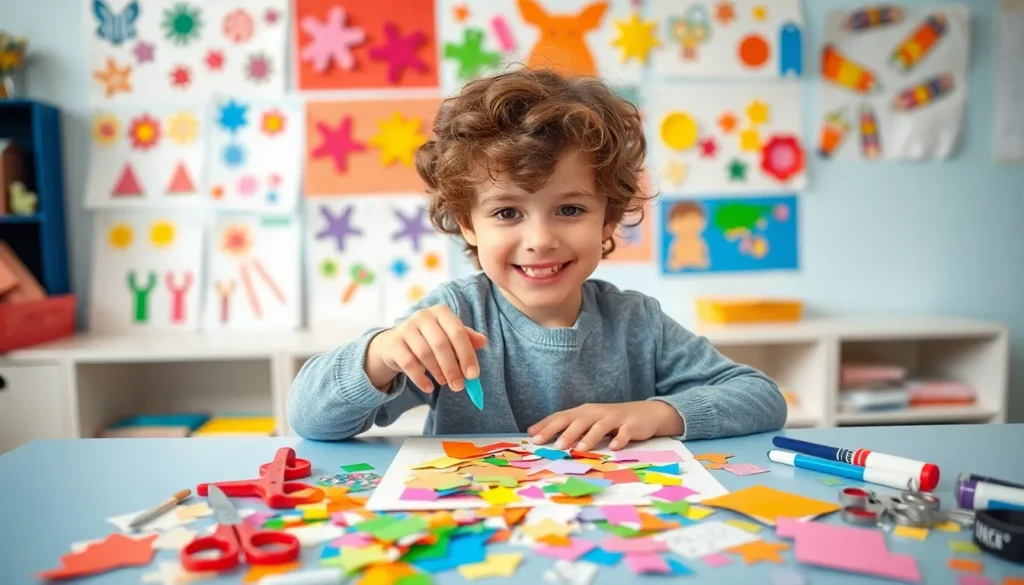
Crafting engages children’s imaginations, allowing them to explore and express unique ideas. Activities like painting or collage-making encourage experimentation with colors, shapes, and textures. Children create original artworks that reflect their thoughts and feelings, fostering confidence in their creative abilities. These projects stimulate cognitive development and inspire innovative thinking, crucial components of early education.
Developing Fine Motor Skills
Crafts significantly contribute to fine motor skill development in preschoolers. Tasks like cutting paper, gluing, and assembling materials require precision and control, enhancing hand-eye coordination. As children manipulate tools and materials, they strengthen their grip and dexterity, which play vital roles in writing and other essential tasks. Engaging in these activities helps prepare preschoolers for future academic challenges by developing foundational skills in a playful environment.
Popular Preschool Crafts
Preschool crafts vary widely, offering opportunities for creativity and learning. Two popular categories include seasonal crafts and crafts using recyclable materials.
Seasonal Crafts
Seasonal crafts align with holidays and changes in weather, allowing preschoolers to celebrate and learn about the world around them. Common seasonal crafts include:
- Autumn Leaf Collages: Collecting colorful leaves creates beautiful collages while teaching children about nature.
- Winter Snowflakes: Cutting paper snowflakes enhances cutting skills and introduces geometric shapes.
- Spring Flower Pots: Decorating pots and planting seeds engages kids in gardening and science.
- Summer Beach Scenes: Creating beach scenes using sandpaper and colored paper offers sensory exploration.
Each craft encourages discussions about the seasons and fosters creativity through individual expression.
Recyclable Materials Crafts
Recyclable materials crafts utilize everyday items, promoting environmental awareness and resourcefulness. Popular projects include:
- Egg Carton Creatures: Transforming egg cartons into animals fosters fine motor skills through cutting and painting.
- Bottle Cap Art: Using caps to create artwork helps develop color recognition and imaginative design.
- Paper Roll Binoculars: Making binoculars from paper rolls enhances creativity while encouraging outdoor exploration.
- Plastic Bag Kites: Constructing kites with plastic bags introduces physics concepts related to flight and wind.
These projects highlight the importance of recycling and provide preschoolers with a hands-on learning experience while stimulating creativity.
Tips for Successful Preschool Crafts
Engaging preschoolers in crafts requires thoughtful planning and execution. These strategies can enhance the crafting experience for both children and caregivers.
Choosing Appropriate Materials
Selecting suitable materials is essential for preschool crafts. Prioritize non-toxic, safe options. Common materials include:
- Paper: Use construction paper or recycled paper for varied textures.
- Adhesives: Use child-friendly glue sticks or washable liquid glue to simplify clean-up.
- Scissors: Provide safety scissors designed for young children, ensuring ease of use.
- Decorations: Incorporate items like buttons, stickers, and pom-poms to add excitement.
- Natural items: Include leaves, twigs, or stones to connect crafts with nature.
Encouraging children to explore diverse textures and colors helps enhance their sensory experiences.
Setting Up a Craft Area
Creating an organized and inviting craft area sets the stage for successful projects. Implement these tips:
- Designate a space: Choose a specific area for crafting, such as a table with ample room for supplies and art projects.
- Organize supplies: Use containers or caddies to store materials neatly, making them easily accessible for children.
- Cover surfaces: Protect tables with newspapers or plastic sheets to simplify clean-up after activities.
- Encourage autonomy: Allow children to choose their materials. Choosing fosters decision-making skills and boosts confidence.
- Display finished projects: Create a space to showcase completed crafts. Displaying enhances pride and motivation in their work.
An effective crafting environment supports creativity and enthusiasm, leading to enjoyable experiences for preschoolers.
Engaging preschoolers in crafts offers invaluable benefits that extend beyond simple fun. These activities nurture creativity while developing essential skills that lay the foundation for future learning. Through hands-on projects, children not only express themselves but also learn teamwork and communication.
By incorporating seasonal themes and recyclable materials, parents and educators can create enriching experiences that promote environmental awareness and imaginative play. Crafting sessions become opportunities for bonding and skill-building, making them vital in early childhood education.
Ultimately, the joy of creating together fosters a love for learning that lasts a lifetime.